Match n8n hosting capacity to measured execution demand

Run customer-operated n8n on cloud VPS or dedicated servers sized for workflow concurrency, payloads, database I/O, and webhook traffic, so capacity and operating decisions remain under your control.

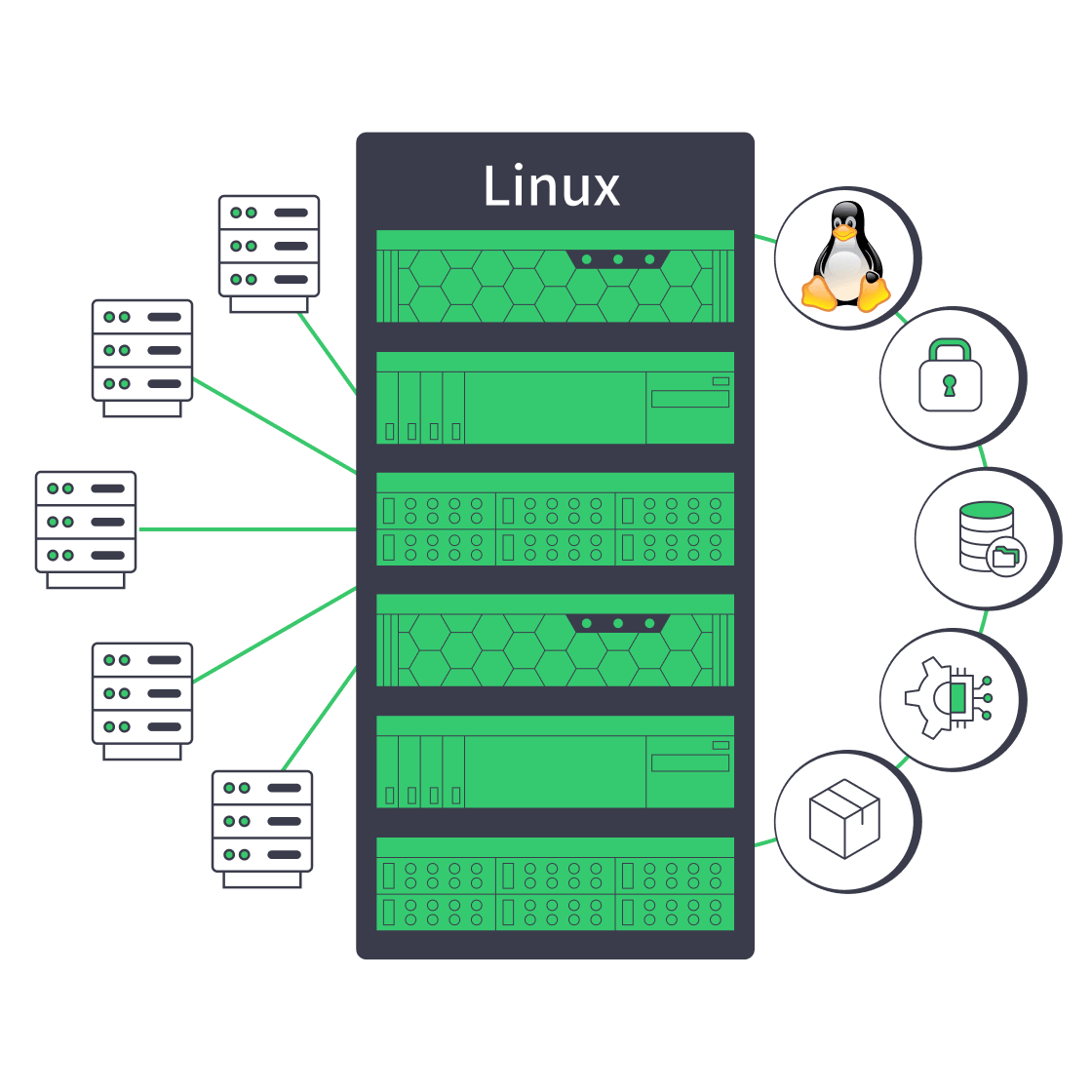
Self-hosted n8n powering AI agent workflows

Align VPS hosting or dedicated servers with demand

Application capacity sizing
Measured demand guides capacity sizing

Track concurrency, run duration, memory peaks, database I/O, and payload size before comparing capacity and price.

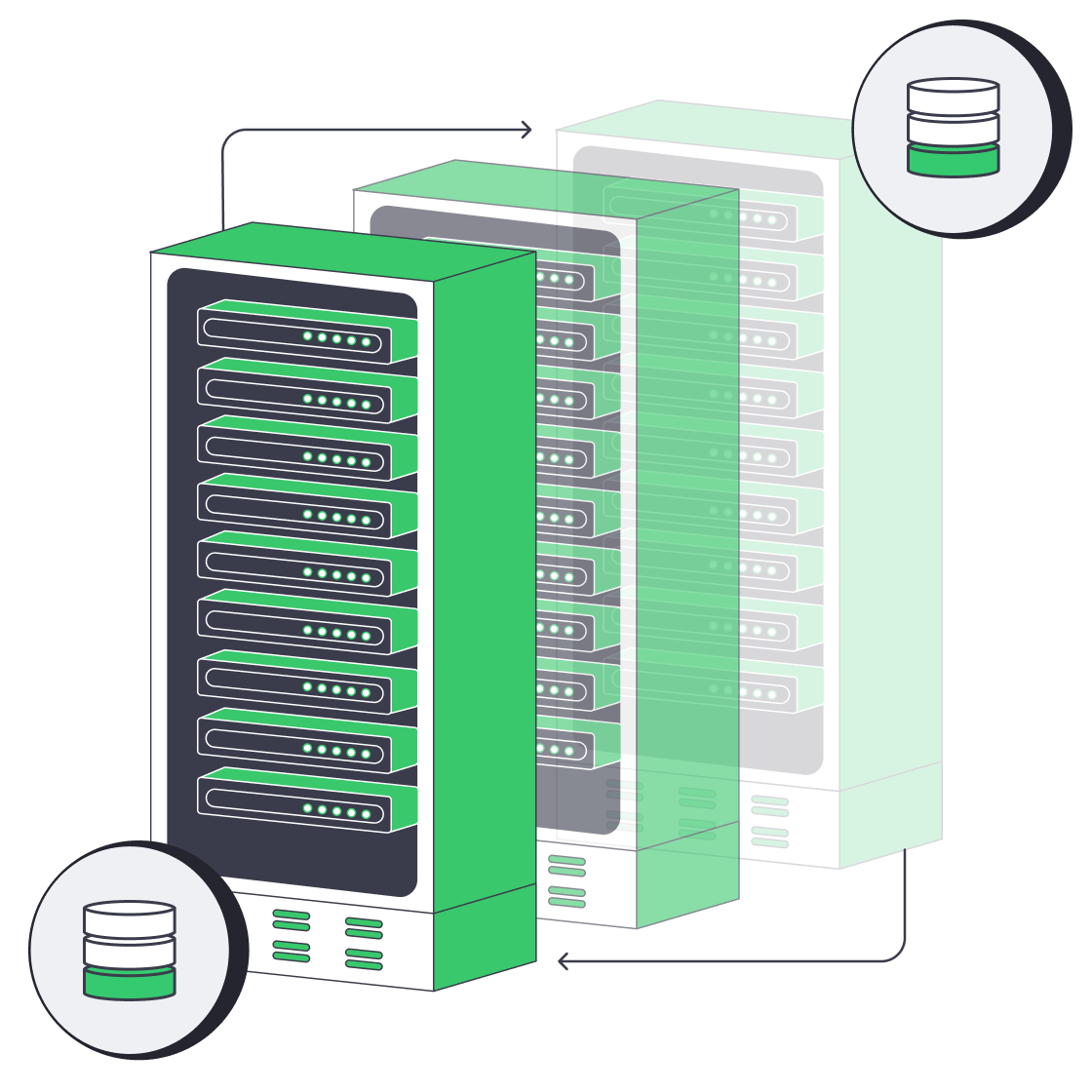
Cloud VPS server stack
Cloud VPS supports compact n8n tenants

Give development, separated clients, and routine automations independent virtual capacity sized to compact demand.

Isolated queue workers
Dedicated hardware isolates worker estates

Reserve CPU and memory for sustained workers, large payloads, and consolidated databases under representative load.

Self-hosted n8n workflows
Own your n8n environment and operating model

Keep full control of isolated capacity while security, access, and every operating decision stay with your team.

Measured demand guides n8n infrastructure allocation

Self-hosted n8n demand is shaped by execution concurrency, run duration, payload size, webhook bursts, database activity, and retention policy. A routine automation instance and a queue-driven worker estate can share the same software while placing very different pressure on CPU, memory, storage I/O, and network capacity under load.

At Melbicom, we offer both cloud VPS and dedicated server hosting to match that demand. Choose a virtual-server footprint for compact instances, development, or separated tenants; use isolated hardware for sustained parallel workers, consolidated databases, large binary payloads, or estates where physical resource attribution matters.

The software boundary remains yours, so your team controls the deployment model, OS, credentials, webhook endpoints, databases, queues, monitoring, backups, and recovery. We supply the selected infrastructure, regional placement, bandwidth options, and 24/7 technical support while workflow and application operations remain under your direction.


Operator managing automated n8n workflows

Measured demand guides n8n capacity

Keep capacity, queue pressure, and recovery decisions measurable.
Measured execution headroom
Traceable queue pressure
Demand-aligned capacity spend
Regional webhook placement
Explicit recovery ownership
Attributable resource load

Plan infrastructure for your n8n stack

Choose the compute, storage, location, and operating scope that match measured automation demand.
Linux cloud VPS with NVMe storage
Isolated dedicated server capacity
Configurable CPU and memory capacity
Storage sized for execution history
Regional placement for webhook paths
Bandwidth choices for API traffic
Administrative control over the OS
Customer control over n8n operations
Capacity for databases and workers
Access to 24/7 technical support
Plan your deployment
Match capacity to concurrency, payload, database I/O, location, and isolation needs.
Talk to an expert

Allocate infrastructure by workflow shape

Automated service workflow
Routine automations

Run routine schedules, notifications, approvals, and data syncs on compact capacity sized from measured demand.

Software development screen
Development testing

Run development and test workflows on separate capacity, keeping dependencies and releases under your control.

Isolated tenant workloads
Separated tenants

Assign cloud VPS instances to client or team tenants, preserving separate capacity and clear operating boundaries.

Regional node map placement
Regional webhooks

Place webhook endpoints by region and size bandwidth from request volume, payload size, and dependent API demand.

Queue worker workflow
Parallel queue workers

Reserve isolated CPU and memory for sustained queue workers, retries, and long executions under measured load.

Storage retention capacity sizing
Binary payload storage

Store large binary payloads with execution history, backups, and recovery data on capacity sized for demand.

Stacked database cylinder
Database-heavy estates

Run database-heavy estates on dedicated capacity for clear I/O attribution, retention, and maintenance headroom.

Self-hosted n8n workflows
Consolidated n8n stack

Consolidate workers, databases, and runtime on isolated hardware while your team owns every software layer.

Infrastructure guides for self-hosted automation

Linux dedicated server with security, automation, storage, and network controls
Linux Dedicated Server: Production Checklist for Control, Security, & Scale
Servers under AI magnifier displaying live metrics
Building a Predictive Monitoring Stack for Servers
Database Hosting Services for Latency, Uptime, and TCO
Technician audits hosting options to ensure reliable web-application functionality
Choosing the Right Web Application Hosting Strategy
More articles
FAQ
Can I host n8n on cloud VPS?
When does dedicated server hosting fit n8n?
Does Melbicom install or manage n8n?
How should I size n8n infrastructure?
Can I run queue workers on Melbicom infrastructure?
Which storage factors matter for n8n?
Can I choose a region for webhook traffic?
Who manages n8n backups and recovery?
What support does Melbicom provide?
Can agencies separate client automation tenants?
Create your account
Access the control panel and choose infrastructure for your customer-operated n8n deployment.
Create an account
Plan your capacity
Share concurrency, payload, database, location, and isolation needs before selecting your infrastructure.
Talk to an expert