Build multi-region infrastructure with explicit failure ownership

Place dedicated servers and cloud server capacity by regional workload, then keep state, traffic policy, observability, and recovery under your team’s direct control across regions.

Protected multi-region infrastructure under customer control

Match cloud server and dedicated server roles

Regional node placement
Place capacity from workload evidence

Map regional tiers to user paths, dependency graphs, and measured demand before you commit capacity.

Isolated verified server
Match isolation to contention risk

Choose dedicated servers or cloud servers from resource shape, contention tolerance, and release cadence.

I/O-heavy data synchronization
Set state, replication, and write boundaries

Set replication, consistency, write authority, and backup behavior before data crosses a regional boundary.

User-controlled routing policy
Own health, traffic, and recovery paths

Define health signals, request steering, traffic shifts, and recovery steps above the infrastructure layer.

Our data centers

Reserve your dedicated server capacity in Brazil

Serve LatAm users from São Paulo for lower latency and higher throughput. Share your rollout hardware specs so we can pre-stage capacity and lock in early access.

  • CPU/GPU, RAM, NVMe, port speeds
  • Traffic profiles, peak loads, latency targets
  • IX.br peering, carrier mix, BGP/BYOIP preferences
Other data centers

Build an operating model around named regional ownership

A second region is useful only when each application tier has a clear reason to run there. Start with user paths, dependency graphs, state boundaries, demand patterns, and the people available during an incident. This turns regional placement into an operating decision with explicit service roles, failure boundaries, and named ownership before deployment begins.

Melbicom provides two regional compute models: dedicated server hosting on isolated, configurable hardware and cloud server capacity. Choose the model and available location that fit each workload, use 24/7 technical support when needed, then keep application deployment, validation, and performance testing under your team’s control.

Before production traffic moves, name the write authority, health signals, traffic owner, and recovery sequence for every region. Your team owns traffic shifts, observes application and data behavior, and decides when recovery actions begin. Dedicated and virtual capacity then support one architecture with clear responsibility for each operational decision.

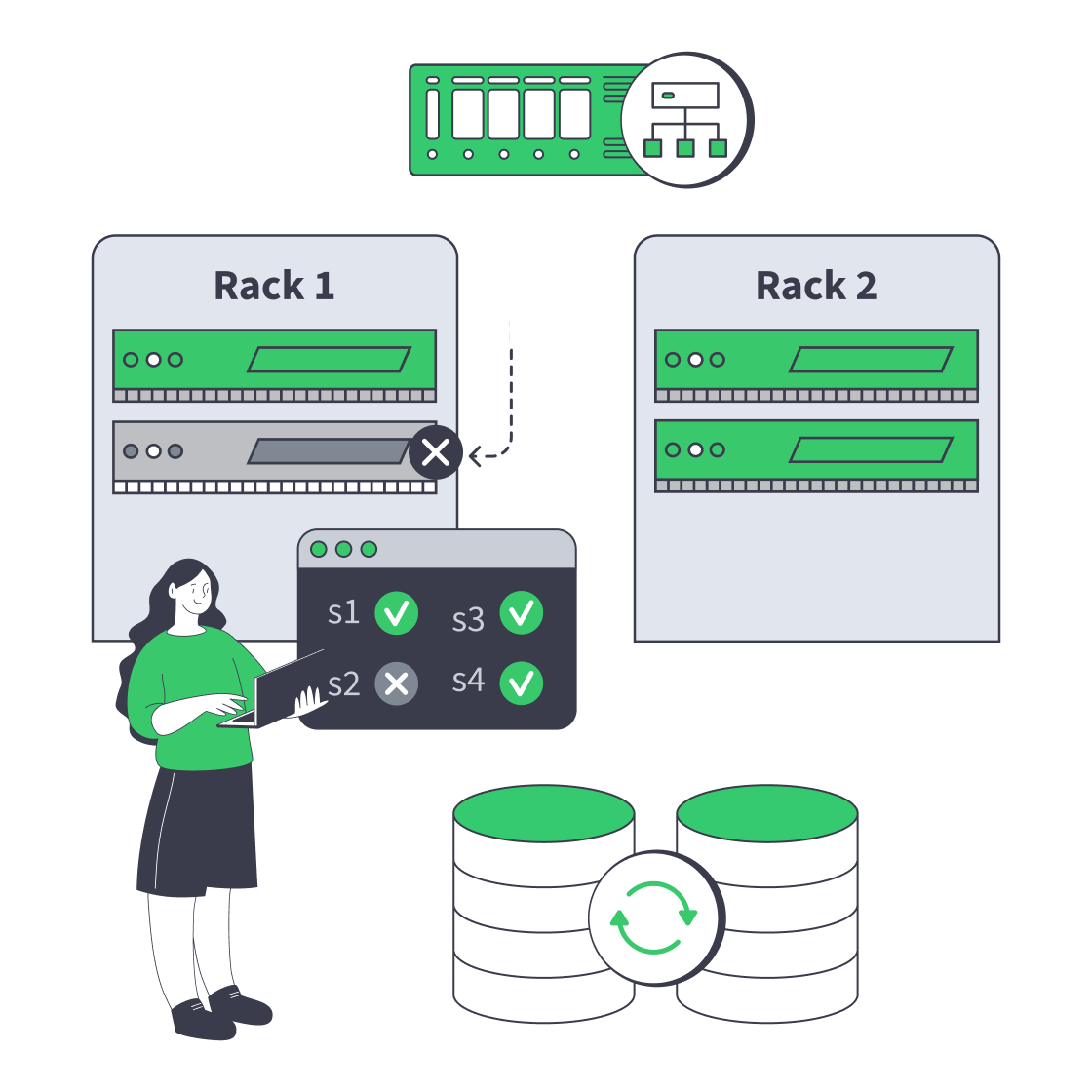
Operator launching infrastructure across global regions

Know what each region is responsible for

Six outcomes for teams that own placement, state, traffic, and recovery.
Workload-fit regional capacity
Explicit state boundaries
Traceable traffic ownership
Testable recovery paths
Region-level capacity control
Fewer hidden dependencies

Set regional roles before launch

Tie every regional purchase to workload shape, operating ownership, and observable failure behavior.
Isolated dedicated server capacity
Cloud server regional capacity
Configurable compute and storage
NVMe-backed virtual storage
Workload-led regional placement
Demand-based capacity planning
Customer-defined data replication
Customer-owned traffic policy
Observable regional failure states
Documented recovery ownership
Map regional capacity
Bring workload shape, target regions, state boundaries, and operating roles to one review.
Talk to an expert

Deploy regional tiers by workload behavior

Regional application placement
Stateless regional application tiers

Run equivalent application builds in selected regions while customer routing sends requests only to eligible endpoints.

Stateful service operations
Stateful clusters use regional write control

Place stateful nodes where your database design can enforce replication, consistency, write authority, and recovery order.

Low-latency stopwatch
Low-latency API traffic from regional nodes

Position API capacity near demand, measure user-path latency, and shift traffic through customer-operated policy.

Queue worker workflow
Regional queues and background workers

Assign background workers by data locality, queue pressure, and operational coverage without coupling every region.

High-availability service failover
Primary and standby regional stacks

Keep standby capacity ready while customer health signals and promotion logic govern regional recovery decisions.

Isolated tenant workloads
Partition users by separate regional domains

Separate users or datasets by region while application rules govern boundaries, dependencies, and cross-region access.

Regional node placement
Mix compute models across regional workloads

Combine dedicated servers and cloud server capacity when contention, workload shape, or release cadence requires both.

Approved infrastructure migration
Stage migrations in regional validation zones

Stage new capacity, validate application behavior, and move traffic only after customer-defined acceptance checks pass.


Guides for operating regional infrastructure

Dedicated server cluster rerouting traffic after a node failure
Designing High-Availability Clusters That Fail Safely
Flat illustration of worldwide server mesh with latency rings around key hubs
Reduce Latency With Melbicom’s Multi-Region Servers
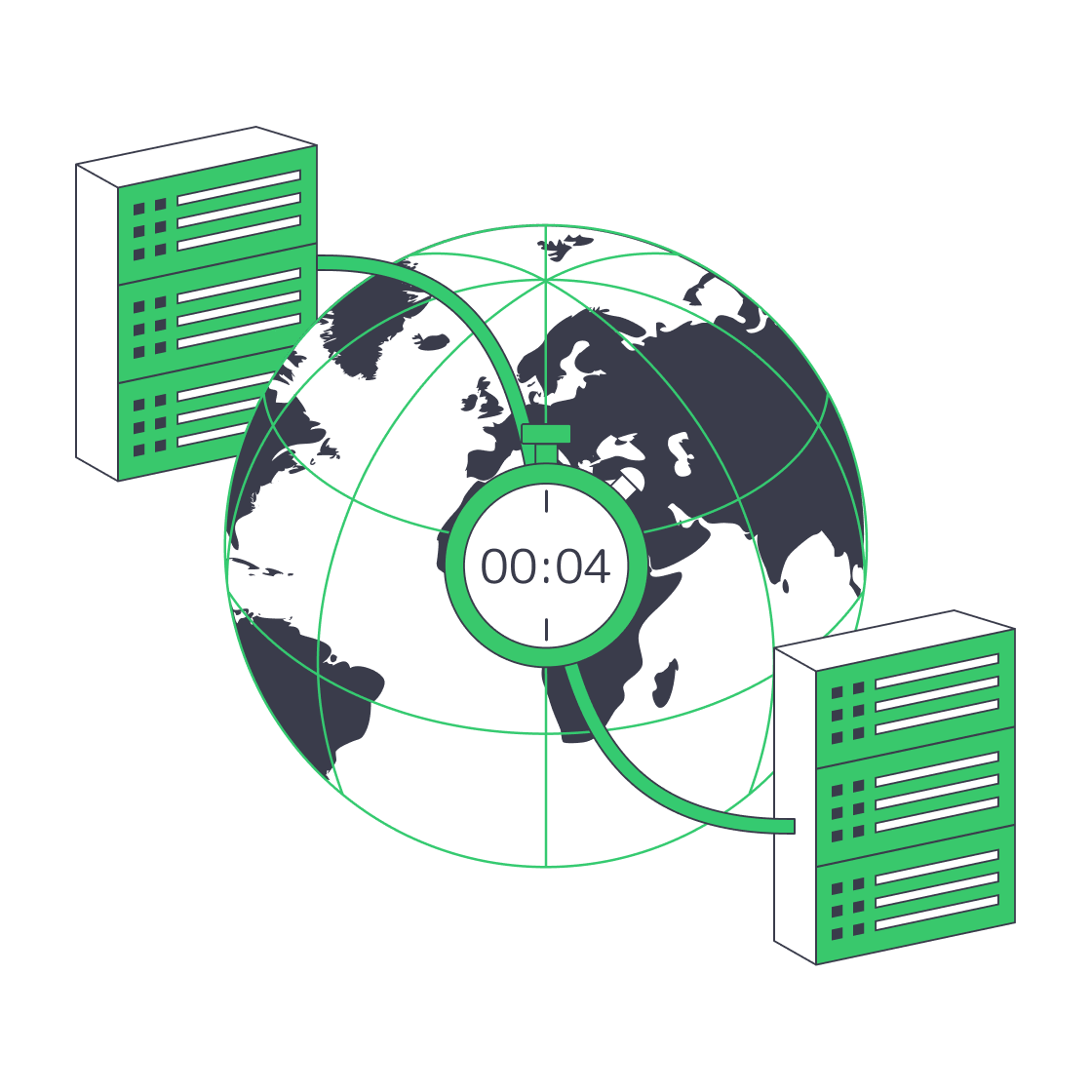
Globe with paired data‑centres linked for four‑minute disaster recovery.

Architecting Minutes-Level RTO with Melbicom Servers
Servers under AI magnifier displaying live metrics
Building a Predictive Monitoring Stack for Servers
More articles
FAQ
What does Melbicom provide for multi-region infrastructure?
How do we choose dedicated servers or cloud servers?
Is every product available in every listed data center?
Does Melbicom provide cross-region data replication?
Does Melbicom provide automatic regional failover?
Who operates health checks and traffic shifting?
Can one design use both regional compute models?
Does regional placement guarantee lower latency?
How should we define regional recovery targets?
What should we validate before adding a region?
Open a Melbicom account
Create an account, review available products, and choose infrastructure that fits each regional workload.
Create an account
Review your regional plan
Review regions, workloads, state boundaries, and operating roles with the Melbicom team.
Talk to an expert