OpenClaw hosting aligns measured demand with Gateway control

We offer right-sized cloud VPS hosting and dedicated servers with matched compute, storage, bandwidth, regional placement, and direct control over infrastructure capacity.

Secure OpenClaw Gateway on dedicated servers

Hosting provider offers best performance and price

Isolated application traffic
Keep compact Gateway instances separate

Run compact API-backed Gateways separately so team and client instances retain clear resource boundaries.

OpenClaw mascot
Consolidate sustained agent workloads

Assign sustained agents, browser sessions, local models, and retained state to attributable physical resources.

Application user controls
Retain control of every software layer

Keep installation, keys, updates, hardening, monitoring, backups, and restore tests under your team's control.

Regional node placement
Place capacity near external dependencies

Choose region and bandwidth around user paths, model endpoints, messaging traffic, file movement, and recovery.

Choose infrastructure for the OpenClaw operating model

An OpenClaw Gateway sits at the boundary between credentials, workspace state, browser sessions, tool access, and scheduled work. Size capacity from Gateway count, concurrent agents, retained state, and whether inference calls external APIs or runs locally, then validate the plan under representative workload conditions before production deployment.

Melbicom maps compact, API-backed or separately scaled instances to cloud VPS, while sustained multi-agent, browser-heavy, local-model, and isolation-sensitive estates can use dedicated server hosting. Region and bandwidth then follow user paths, model endpoints, messaging platforms, file movement, recovery traffic, and administration paths.

Your team remains the OpenClaw operator in either shape. You install the Gateway and dependencies, control keys and channel credentials, define network exposure, apply updates, monitor software, back up state and workspace, and test restores; Melbicom supplies the selected infrastructure and 24/7 infrastructure support without taking over OpenClaw operations.

Operator launching self-hosted OpenClaw Gateway

Make every agent boundary attributable

Align capacity, access, state, and recovery with each Gateway's actual operating shape.
Measured Gateway capacity
Controlled instance spend
Attributable resource use
Credential ownership
Tested restore paths
Explicit software scope

OpenClaw capacity under your control

Choose capacity and location while your team keeps full control of OpenClaw software and security.
Cloud VPS for compact agent roles
Dedicated capacity for sustained agents
Independent capacity for each instance
Physical resources for consolidated roles
Regions near key dependencies
Bandwidth choices for tool traffic
Customer-controlled keys and channels
Customer-owned updates and hardening
State and workspace backup planning
24/7 infrastructure support
Plan agent capacity
Map Gateway count, agent load, browser load, state/files, local models.
Talk to an expert

OpenClaw deployment patterns by workload

API server configuration
API-backed Gateways

Run an API-backed Gateway on separately sized cloud VPS while retaining credentials, state, and workspace.

Three-person user group
Team-specific Gateways

Give each team a separate cloud VPS with its own credentials, state, update cadence, and controlled release process.

Isolated application traffic
Client-isolated Gateways

Separate client Gateways so access policies, channel tokens, files, and backups remain attributable to each client.

QA server staging
Integration testing

Test upgrades, integrations, channels, and restore procedures on isolated capacity before any production release.

OpenClaw mascot
Agent resource control

Run sustained agent load on dedicated resources so CPU, memory, storage, and process behavior remain attributable.

Browser application window
Browser job isolation

Reserve isolated physical capacity for browser sessions, downloads, screenshots, logs, and long-running automation jobs.

AI server processor
Local inference control

Size dedicated server hosting around model footprint, runtime demand, state retention, and the inference stack you operate.

Server workflow topology
Consolidated tool stack

Consolidate Gateway, browser, file, and tool workloads on hardware sized for sustained demand and tested recovery plans.

OpenClaw infrastructure guides for operators

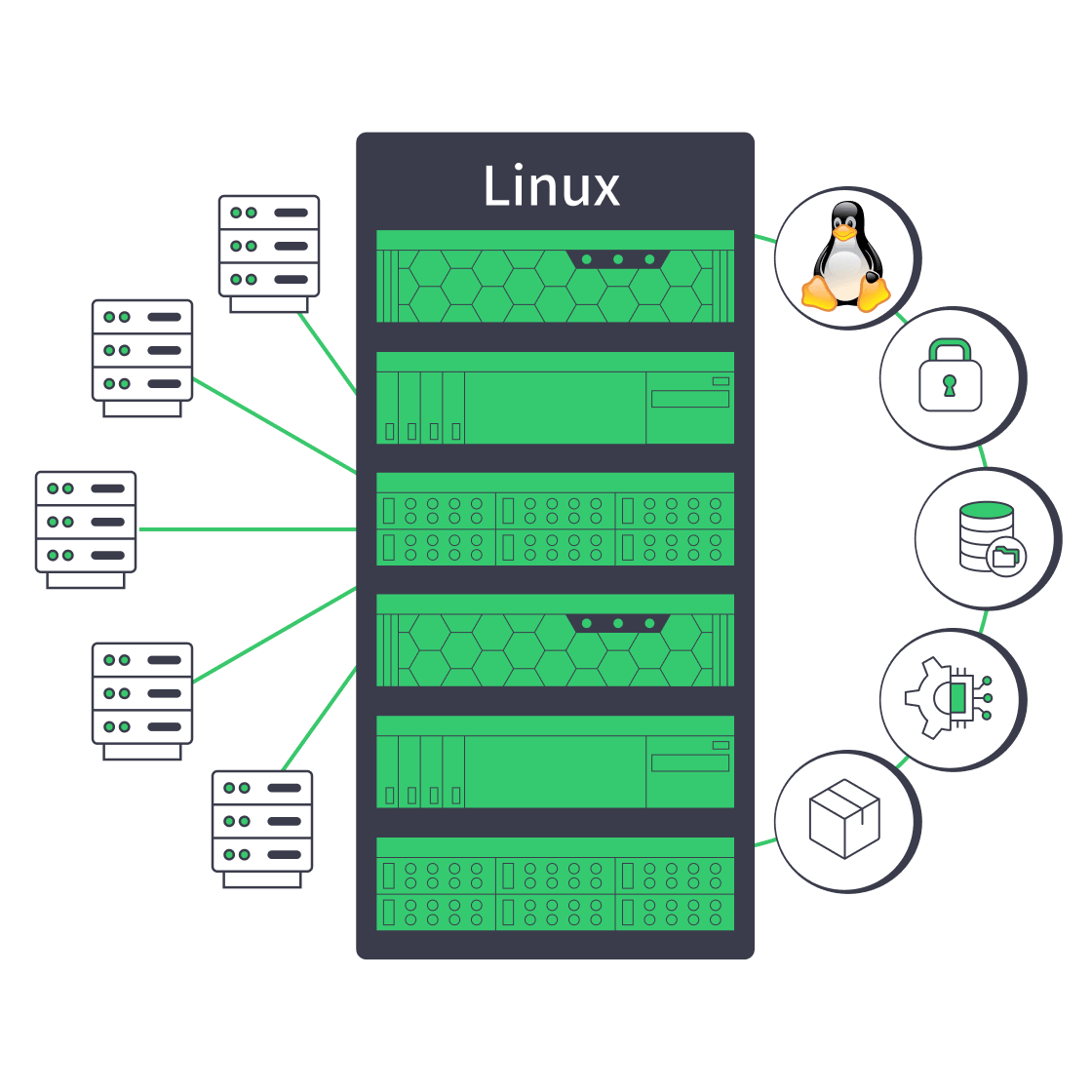
Linux dedicated server with security, automation, storage, and network controls
Linux Dedicated Server: Production Checklist for Control, Security, & Scale
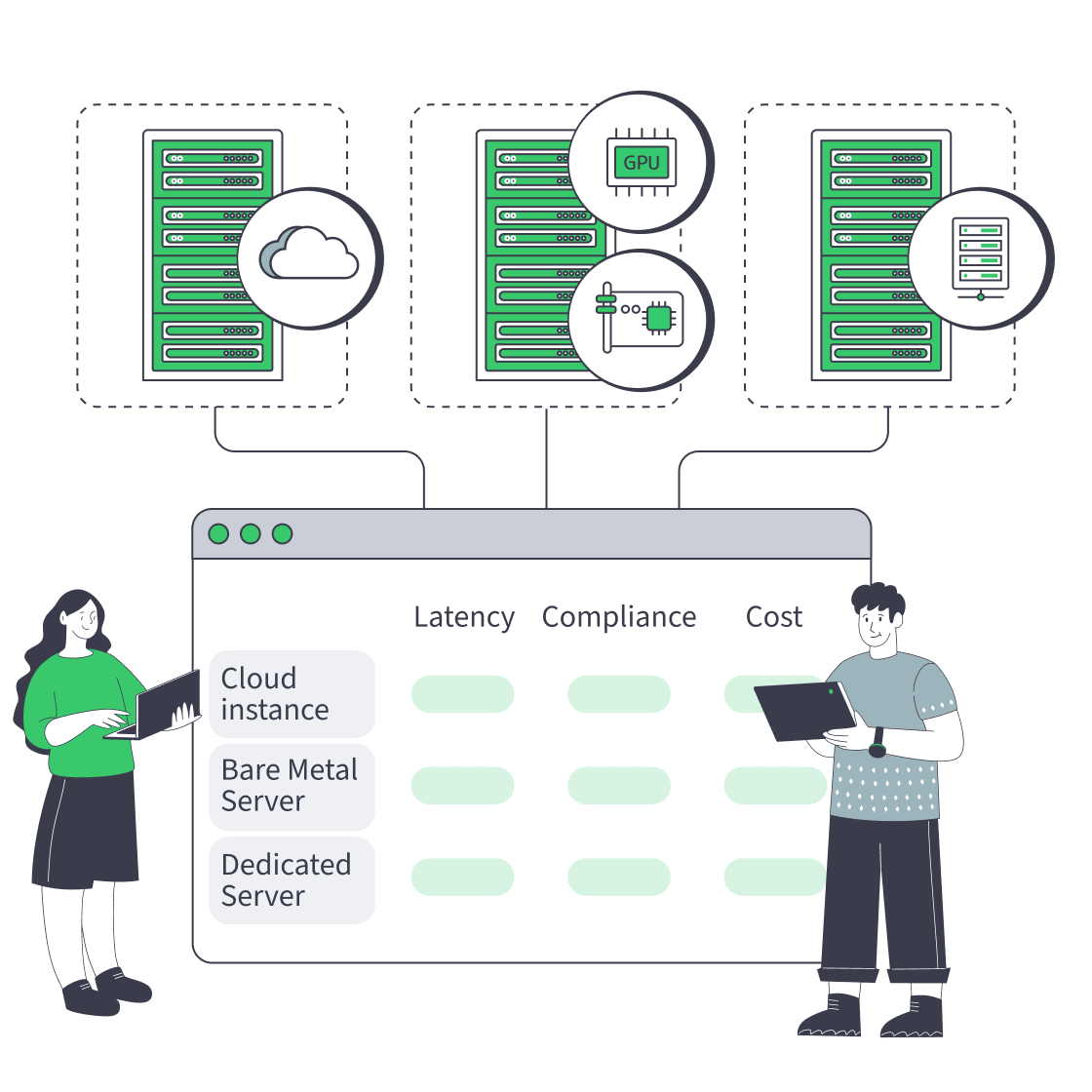
Cloud, bare metal, and dedicated servers feeding one decision dashboard
Bare Metal Server vs Cloud: Checklist for Performance, Compliance, and Cost
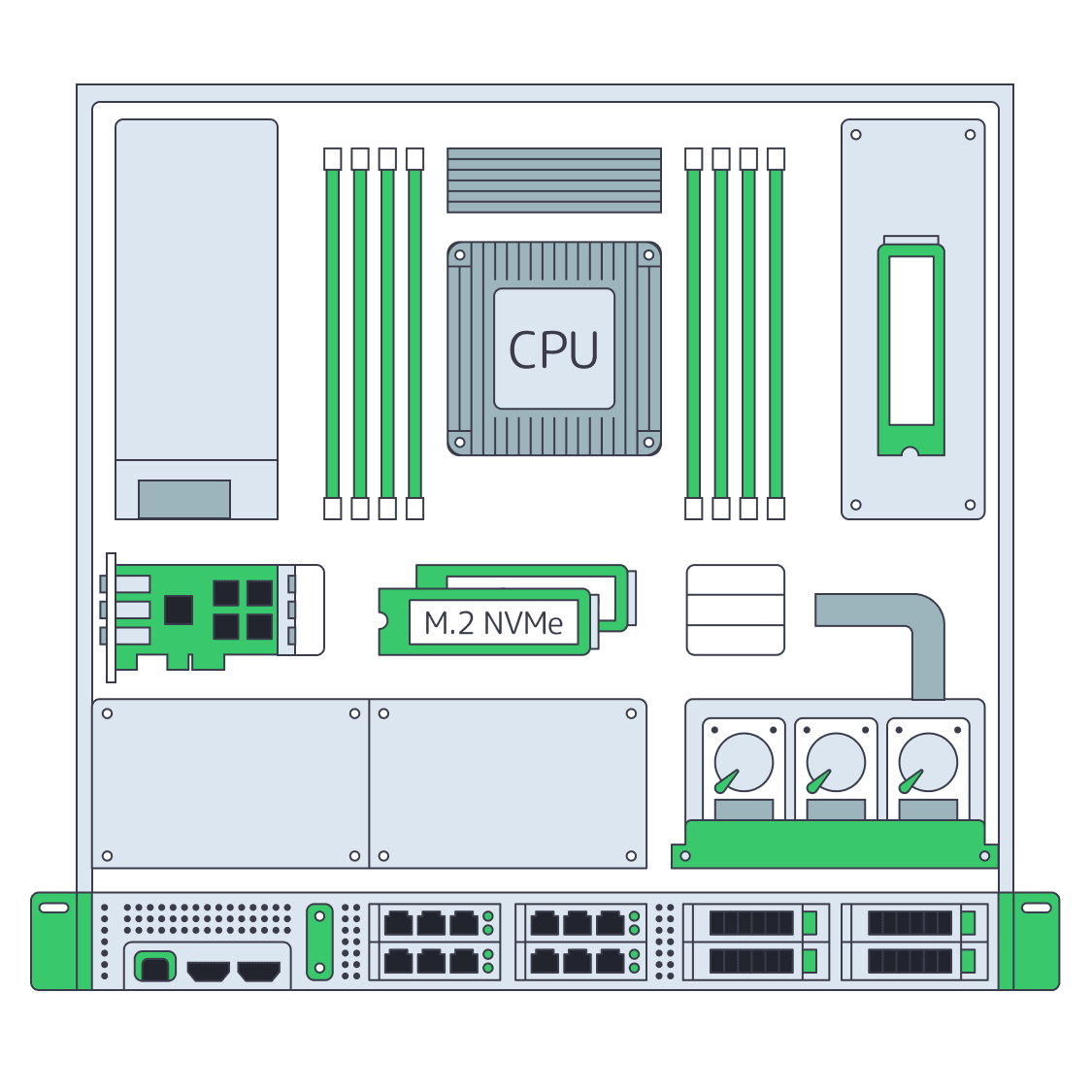
Dedicated server BOM with CPU, RAM, NVMe, and NIC modules sized from workloads
Spec Dedicated Servers From Workload, Not the Catalog
Servers under AI magnifier displaying live metrics
Building a Predictive Monitoring Stack for Servers
More articles
FAQ
What is OpenClaw hosting?
How should OpenClaw use cloud VPS and dedicated servers?
Does Melbicom install or manage OpenClaw?
How should we size an OpenClaw deployment?
Who controls keys and channel credentials?
What OpenClaw data should we back up?
Can OpenClaw call external model APIs?
Can we run local models with OpenClaw?
Who secures public Gateway access?
Which region should host the Gateway?
Does Melbicom monitor OpenClaw software?
Create your account
Create an account, choose cloud VPS or dedicated capacity, while your team operates OpenClaw.
Create an account
Plan your deployment
Bring Gateway count, concurrency, browser load, files, state, and recovery needs into capacity planning.
Talk to an expert