Global API infrastructure keeps regional paths traceable end to end
Run customer-operated gateways and API services on dedicated servers near demand, with isolated capacity for connection pressure, data access, telemetry, and regional recovery.
Run customer-operated gateways and API services on dedicated servers near demand, with isolated capacity for connection pressure, data access, telemetry, and regional recovery.


Match CPU, RAM, storage, and ports to request rate, concurrency, payload weight, queue depth, and recovery demand.

Run authentication, authorization, rate limits, routing, and rollback inside the gateway stack your team controls.

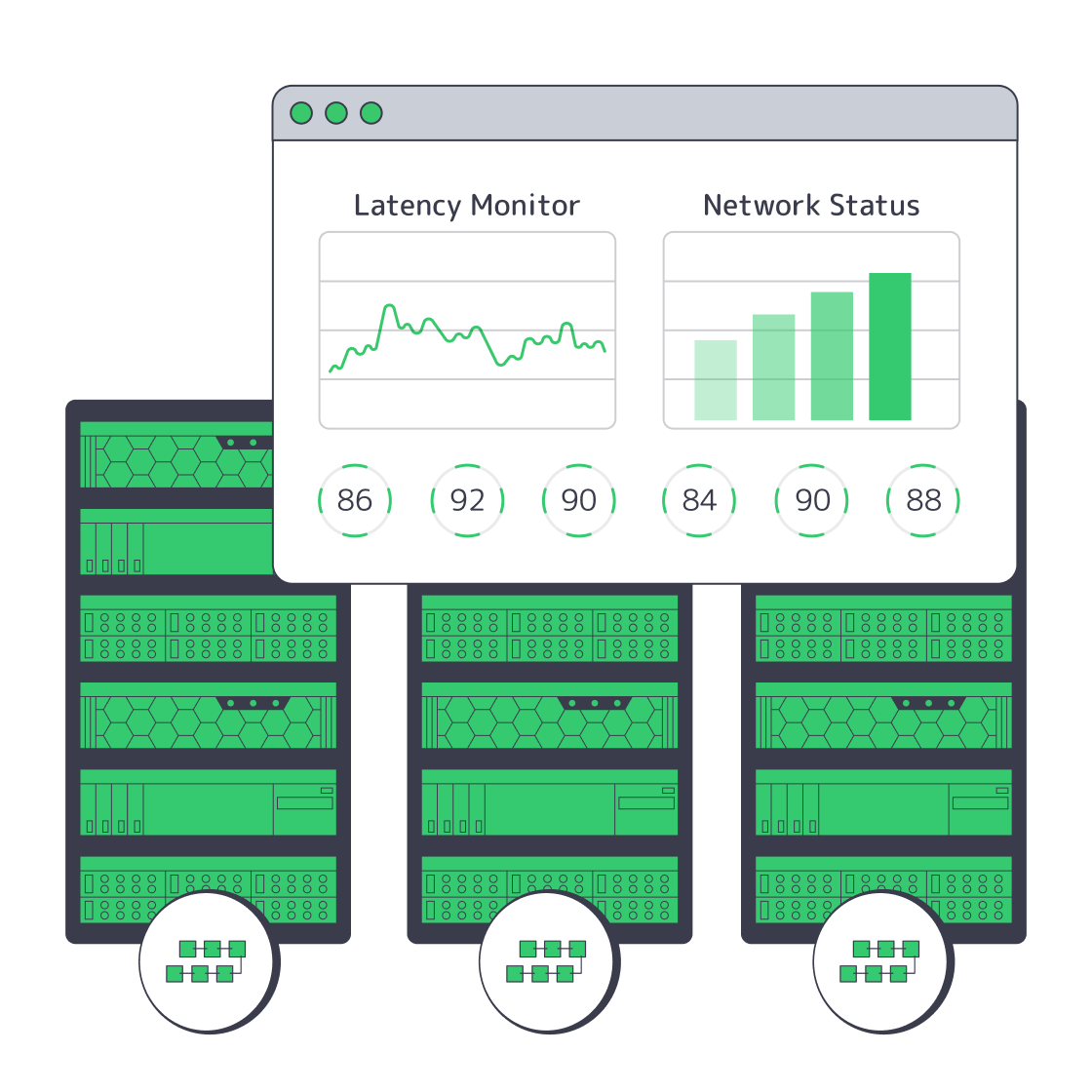
Separate gateway, application, dependency, and business telemetry so reachability does not hide unusable transactions.

Use CDN routing and origin pools only for responses and assets your team explicitly classifies as cacheable.
A global API is several workloads sharing one request path. Public reads, authenticated calls, writes, queues, and downstream dependencies fail under different pressures. Size regional capacity from request rate, concurrency, payload weight, connection churn, and degraded-mode demand, then keep routing and data decisions explicit under load.
Melbicom provides isolated bare metal server capacity across regional data centers, with configurable CPU, RAM, storage, network options, root access, and IPMI/KVM. Your team runs gateways, application services, telemetry, and recovery tooling. Bottlenecks, access paths, and recovery actions remain attributable through each operating incident.
Keep dynamic and state-changing operations on customer-operated origins. Use the CDN only for responses, schemas, documentation, SDK assets, and other public objects your team classifies as cacheable. Cache eligibility, origin selection, purge behavior, health checks, traffic shifting, failover, and recovery remain under direct customer control.



Run gateway policy near client regions while keeping authentication, rate limits, routing, and rollback under customer control.

Place stateless services on isolated compute sized for request rate, connections, payload work, and downstream demand.

Keep state-changing calls near data dependencies, then define consistency, idempotency, retries, and conflict handling.

Reserve capacity for queues, workers, and bursts so downstream limits appear before synchronous endpoints degrade.
Separate gateway, application, dependency, and business telemetry to distinguish reachability from usable API service.
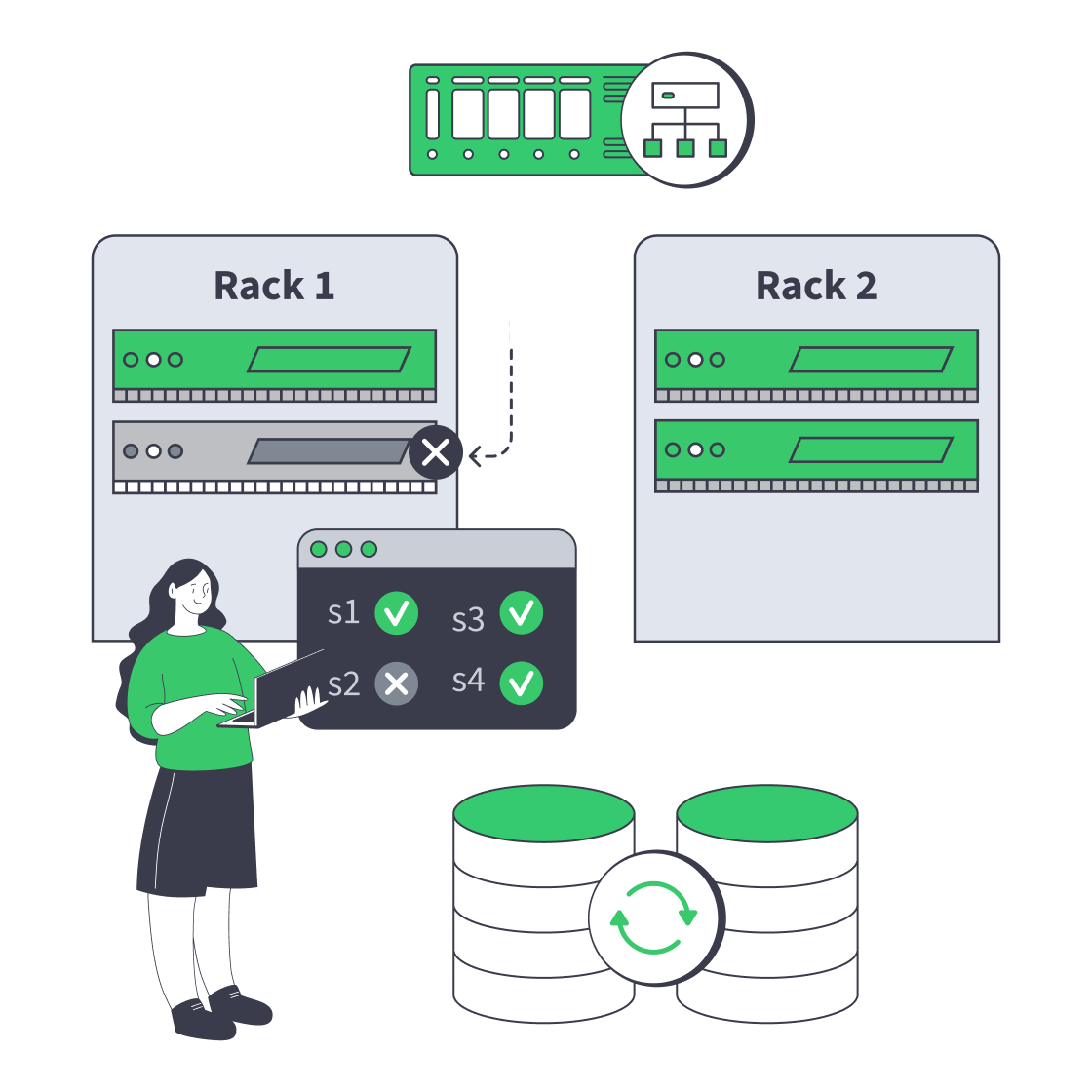
Keep recovery environments tested and available while your team owns traffic shifting, failover, restoration, and state.

Serve cacheable responses through the CDN with eligibility, headers, invalidation, and origin behavior set by your team.

Distribute schemas, documentation, and SDK assets at the edge without caching dynamic or authenticated operations.