Match bare metal Kubernetes node roles with workload demand
Run customer-operated Kubernetes on dedicated servers, mapping control-plane, worker, and stateful roles to physical capacity with headroom, measured network paths, and recovery planning.
Run customer-operated Kubernetes on dedicated servers, mapping control-plane, worker, and stateful roles to physical capacity with headroom, measured network paths, and recovery planning.


Map control-plane, worker, and stateful workloads to dedicated nodes so resource pressure stays visible and attributable.

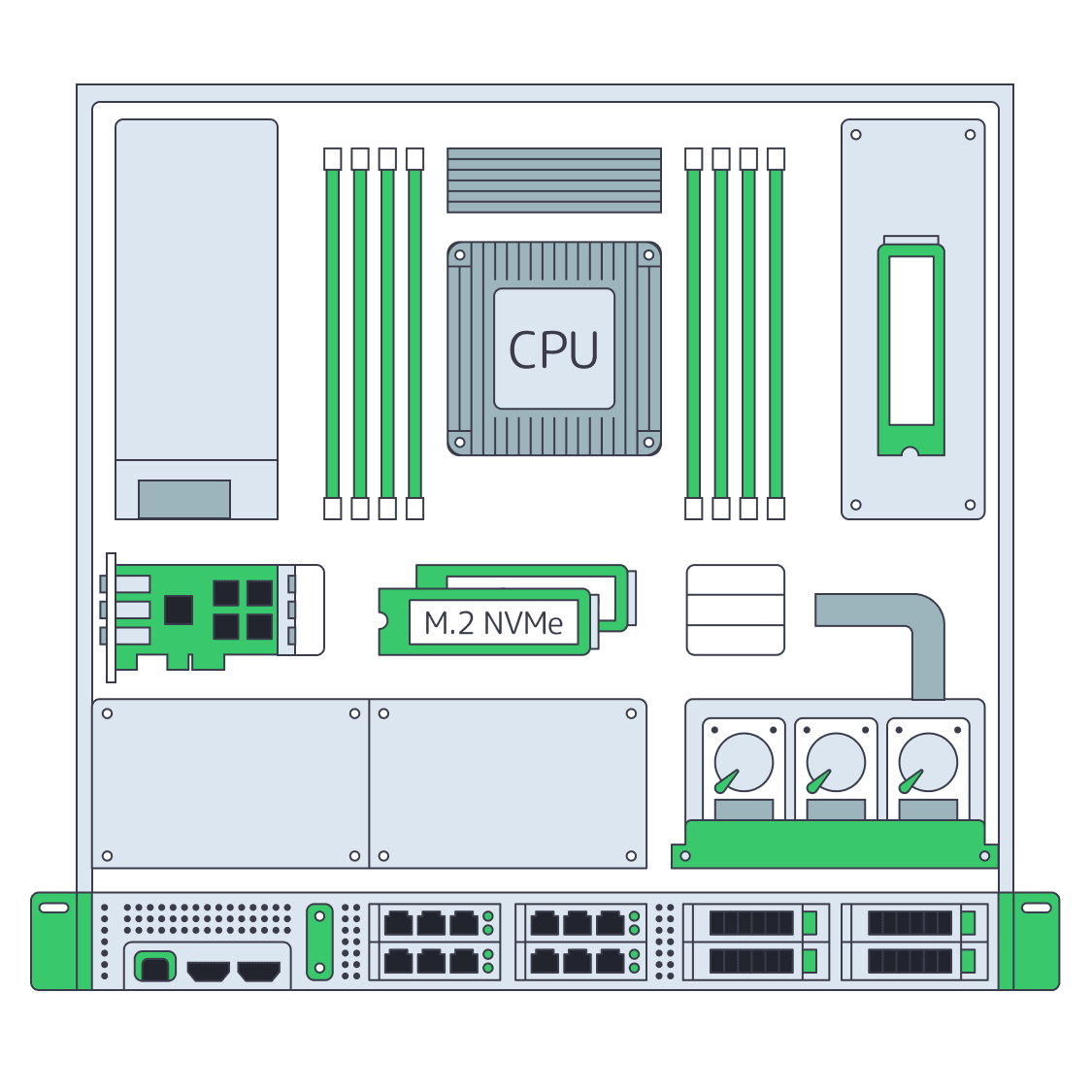
Choose CPU, RAM, storage, bandwidth, and location based on pod concurrency, I/O demand, and network paths under load.

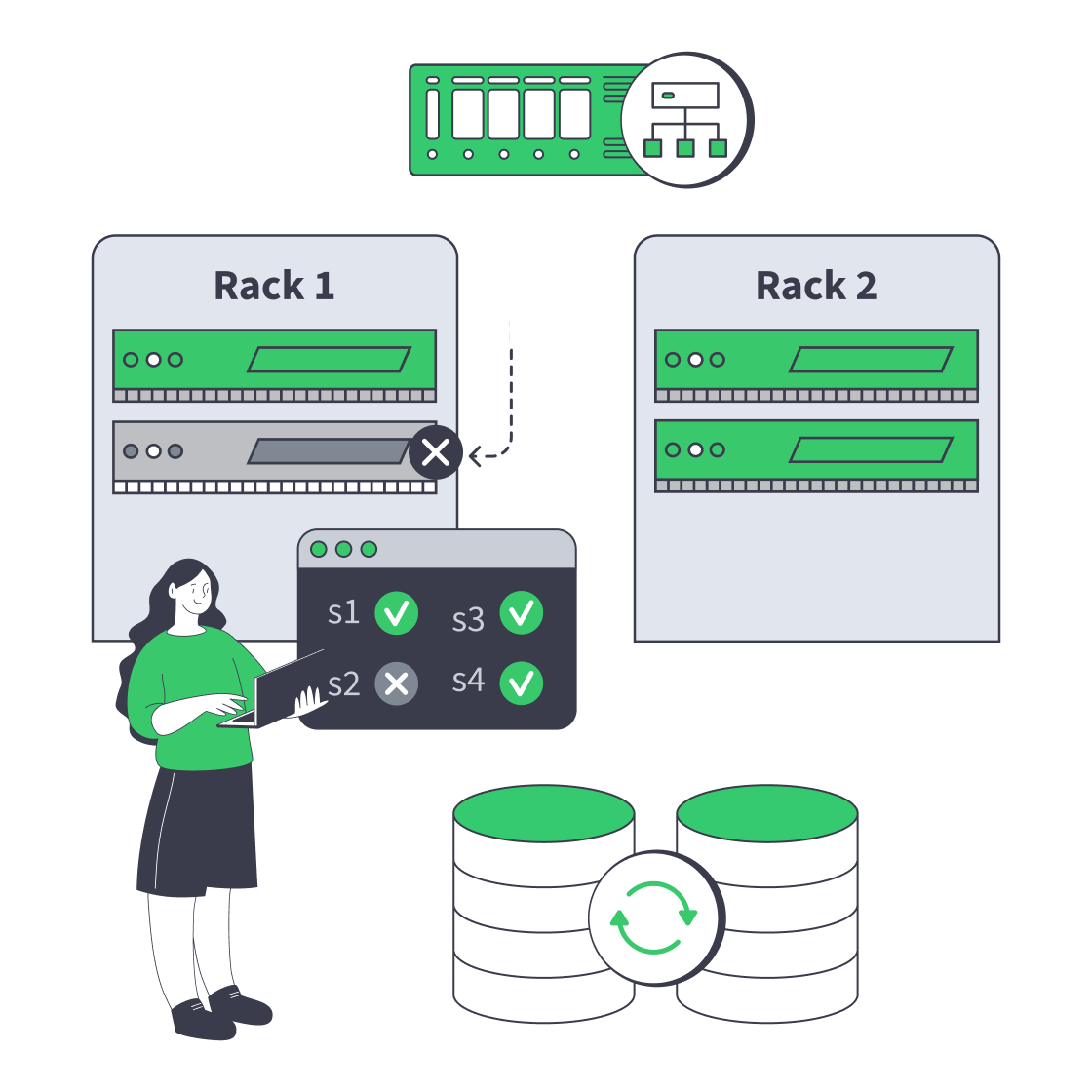
Reserve capacity for node maintenance, pod rescheduling, rebuilds, and recovery so cluster behavior remains predictable.

Keep public ingress and APIs isolated from worker-node sizing, with optional DDoS protection for external endpoints.
Kubernetes on bare metal starts by mapping control-plane, worker, and stateful node roles to physical capacity you can measure. CPU, memory, storage I/O, and network paths shape pod behavior under load, so each role needs headroom for representative concurrency, latency targets, maintenance, and defined failure domains across the full cluster.
At Melbicom, we provide dedicated servers for bare metal Kubernetes hosting, so you can assign those roles to isolated hardware with explicit resource limits. Choose CPU, RAM, storage, bandwidth, and location from observed workload pressure, then reserve capacity for rescheduling, maintenance, node rebuilds, and recovery windows across steady and peak conditions.
Your team installs and operates Kubernetes, including cluster networking, storage architecture, observability, security, and application availability. Our infrastructure keeps control-plane and worker capacity distinct, preserves stateful I/O boundaries, and separates ingress exposure; optional DDoS protection applies only to public endpoints, applications, or APIs.



Isolate control-plane nodes so API response and scheduling stay stable as customer-operated cluster demand rises.
Size worker nodes from pod concurrency, CPU, memory, and network demand across representative application loads.

Place stateful services on storage-focused nodes so I/O pressure stays isolated from stateless application workloads.

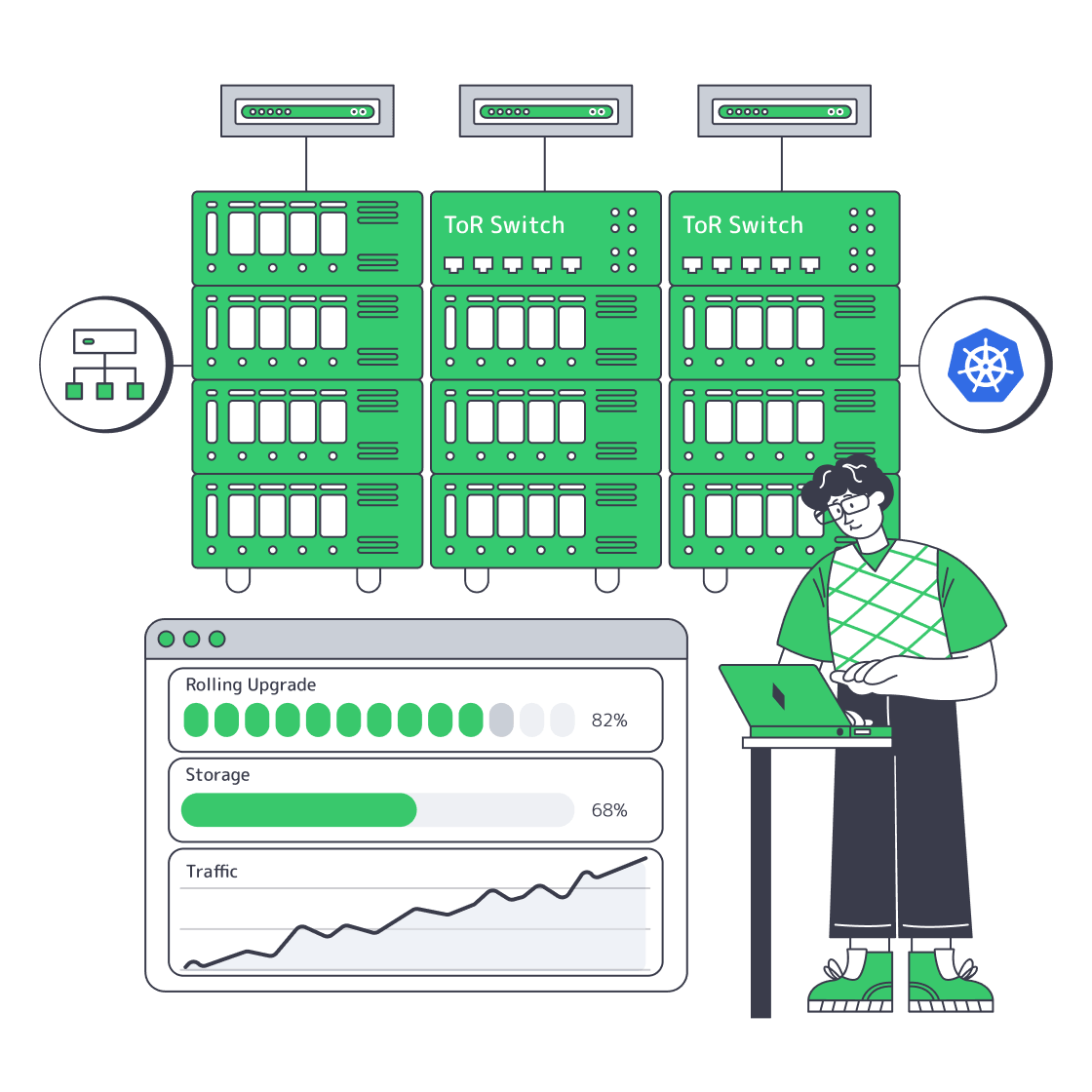
Separate ingress controllers and APIs from core workers so external traffic spikes do not disrupt cluster workloads.

Run batch jobs on separate nodes so queue workloads do not affect latency-sensitive services or user-facing pods under load.

Distribute nodes across regions to match user paths and recovery plans while keeping failure domains clear and isolated.

Apply DDoS protection to exposed ingress and APIs while leaving internal cluster networking and node sizing unchanged.

Reserve capacity for node rebuilds and rescheduling so recovery stays predictable under sustained cluster load.