Web scraping server capacity matched to refresh schedules

Rent dedicated servers with reserved CPU, configurable RAM, and local NVMe for HTTP crawlers and browser workers, sized around concurrency, scratch I/O, and each run’s completion deadline.

Browser workers collecting web data on dedicated scraping servers

Match resources to actual job behavior

CPU capacity sizing
Page behavior sets concurrency limits

Choose cores from render time, scripts, parsing, and overlap, matching each host to the worker mix you profiled.

RAM memory module
Session load defines memory headroom

Size RAM and shared memory for active pages, renderer processes, profiles, and the headroom workload tests reveal.

NVMe storage drive
Local NVMe keeps scratch close to workers

Local NVMe absorbs profiles, downloads, screenshots, traces, and result staging without adding a remote storage step.

Cloud VPS server stack
Smaller services use separate resources

Use cloud VPS for schedulers, APIs, monitoring, development, and lighter jobs, keeping worker hosts focused.

Available configurations
Need a Custom Build?
Filters
Clear all
Data center
Data center
CPU
CPU
CPU Brand
CPU Brand
RAM
RAM
Storage
Storage
from
up to
GPU
GPU
    Bandwidth
    Bandwidth
    Data Transfer
    Data Transfer
    Available configurations –
    CPU
    Memory
    Storage
    Network
    GPU
    Data center
    Price
    Show more

    Design the server fleet around recurring scraping runs

    Capacity planning starts with the work inside each recurring job. HTTP requests, rendered pages, downloads, screenshots, and browser tests create different CPU, memory, shared-memory, process, and I/O patterns. Representative runs reveal the worker mix and headroom needed to keep queue age inside catalog refresh, data delivery, and QA windows.

    Melbicom provides isolated compute, configurable memory, local NVMe, and regional placement across 21 data centers worldwide. Assign cores to observed browser and parser load, reserve memory for active sessions, and keep profiles, traces, downloads, and staged results on local storage. Your team controls versions, containers, limits, and restart policies.

    Place persistent crawler and browser workers on dedicated hosts, then use cloud VPS for development, schedulers, APIs, queues, monitoring, and smaller jobs. Keeping those loads separate makes queue age, refresh deadlines, and failure signals easier to read. Add hosts or virtual instances as each workload grows, without mixing worker demand with coordination traffic.

    Engineer launching recurring browser automation and scraping runs

    Track the signals behind data freshness

    Monitor queue age, completion windows, restart rates, and result-writing health.
    Fresher catalog data
    Lower oldest-job age
    Lower browser restart rate
    Fewer result-write stalls
    More runs finish on time
    Smaller jobs use cloud VPS

    Control the setup behind every job

    Choose compute, memory, scratch storage, placement, and lightweight services from the job profile you test.
    CPU sized for concurrent workers
    RAM sized for active sessions
    Shared memory for Chromium processes
    Process limits for clean restarts
    Local NVMe for temporary profiles
    Scratch space for downloads and traces
    Regional placement for worker fleets
    Cloud VPS for development and staging
    Virtual schedulers for recurring jobs
    Queue metrics for worker health
    Plan your worker pool
    Match concurrency, memory, scratch I/O, and deadlines to a practical server configuration.
    Talk to an expert

    Capacity for recurring collection workflows

    E-commerce shopping cart
    Catalog price monitoring

    Refresh catalog and price data on schedule while tracking queue age, retries, missed records, and coverage gaps.

    Event pipeline operations
    Public data pipelines

    Move public web responses through parsing, validation, and result writing on worker capacity sized for recurring runs.

    Browser application window
    Rendered-page extraction

    Execute JavaScript, capture screenshots or PDFs, and isolate sessions within profiled CPU, memory, and process limits.

    Automated service workflow
    Authorized automation

    Run approved account flows and form checks with repeatable browser versions, profiles, lifecycle rules, and logs.

    QA server staging
    Parallel browser QA

    Run parallel end-to-end checks with fixed browser versions, isolated contexts, traces, and defined completion windows.

    Parallel queue worker processing
    Hybrid crawler flows

    Keep high-volume HTTP collection separate, then route rendering-dependent pages to a browser queue with its own budget.

    Cloud VPS server stack
    Development and staging

    Use cloud VPS for development, staging, and smaller scheduled jobs that need their own simple operating environment.

    Statistics monitoring dashboard
    Scheduler and monitoring

    Place lightweight schedulers, APIs, queues, and monitoring on virtual instances beside the persistent worker fleet.


    Infrastructure guides for data collection teams

    Dedicated server pricing drivers arranged around a server rack and invoice
    Beyond Hardware: Total Cost Of Dedicated Servers
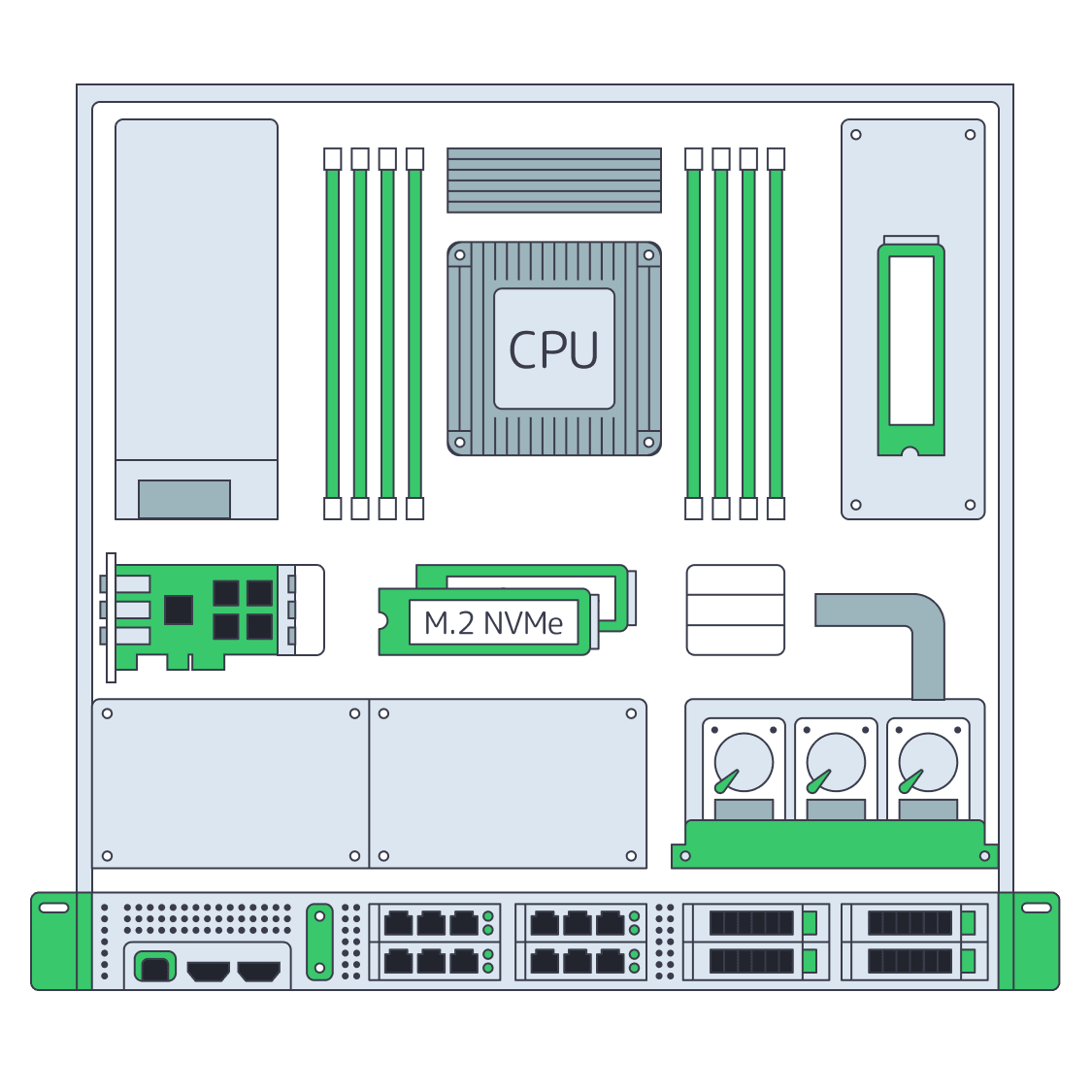
    Dedicated server BOM with CPU, RAM, NVMe, and NIC modules sized from workloads
    Spec Dedicated Servers From Workload, Not the Catalog
    Illustration of server rack topped by HDD, SSD, and NVMe icons showing speed hierarchy
    Choosing Dedicated Server Storage: HDD, SSD, or NVMe?
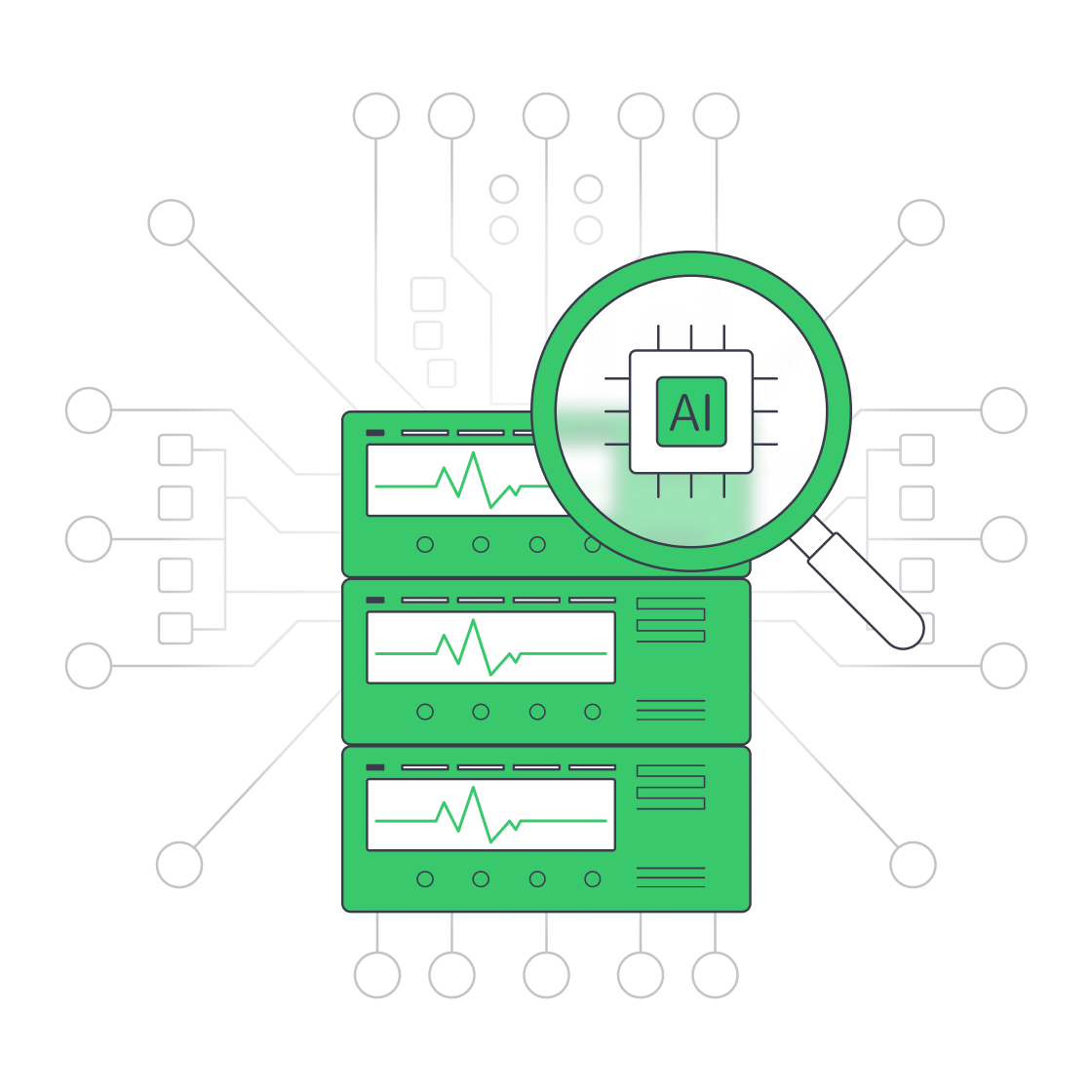
    Servers under AI magnifier displaying live metrics
    Building a Predictive Monitoring Stack for Servers
    More articles
    FAQ
    What should we measure before choosing a server?
    Do HTTP crawlers and full browsers need the same hardware?
    Can we run Playwright, Puppeteer, and Scrapy?
    How should we size browser concurrency?
    What uses local NVMe during collection?
    How should we plan shared memory?
    When does regional placement help?
    Where does cloud VPS fit?
    Can we request a custom server configuration?
    Who operates the collection software?
    Opening an account
    Create an account, add funds, and deploy your selected server from the Melbicom control panel.
    Create an account
    Plan your worker fleet
    Share concurrency, page mix, memory, scratch I/O, and deadlines; we’ll size a suitable server.
    Talk to an expert