Trading infrastructure built around measurable execution paths
Run gateways, matching engines, market data, and logging on isolated hardware so concurrency, resource pressure, and execution behavior remain measurable under peak trading conditions.
Run gateways, matching engines, market data, and logging on isolated hardware so concurrency, resource pressure, and execution behavior remain measurable under peak trading conditions.


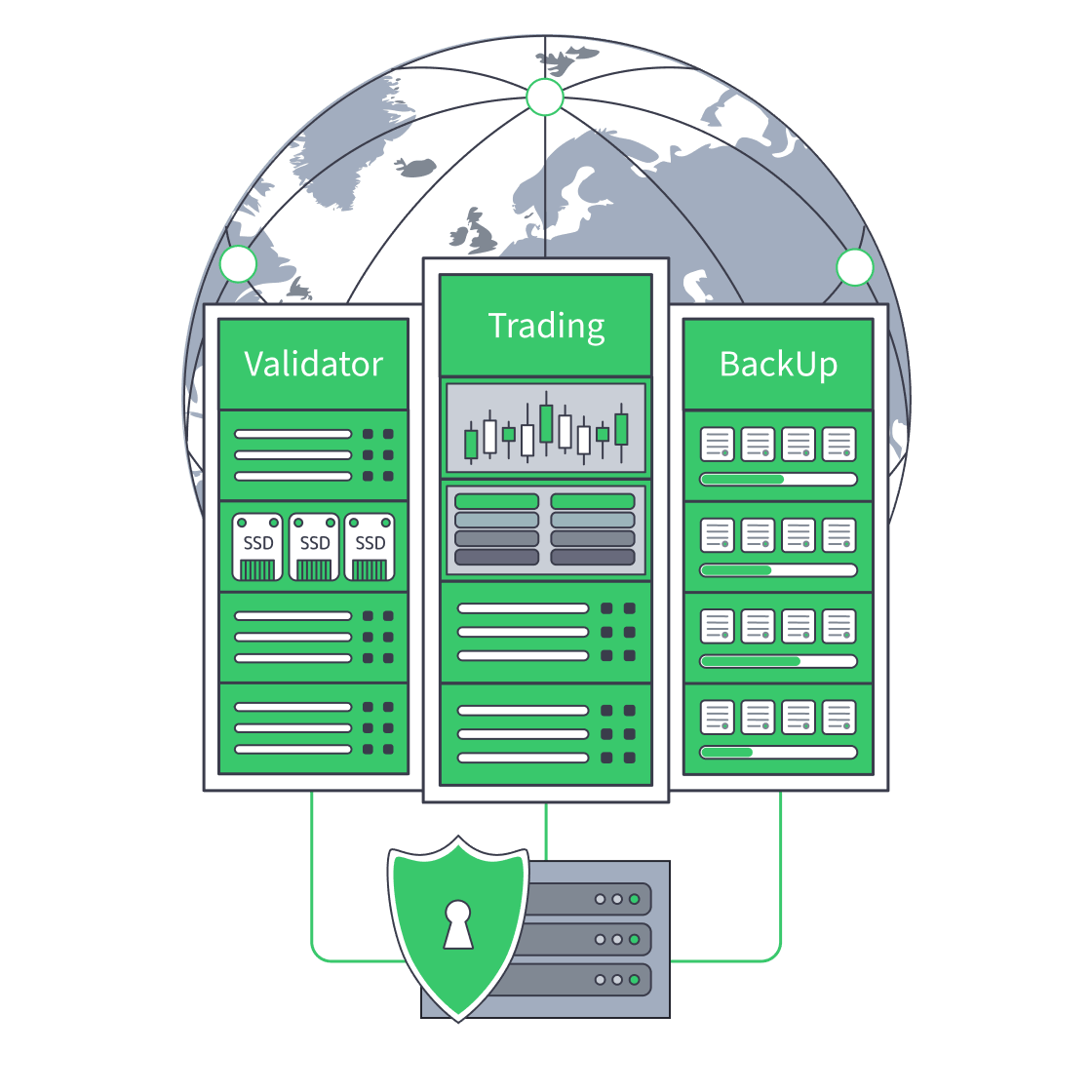
Separate gateways, matching logic, and ingestion from telemetry so contention stays visible during peak order flow.

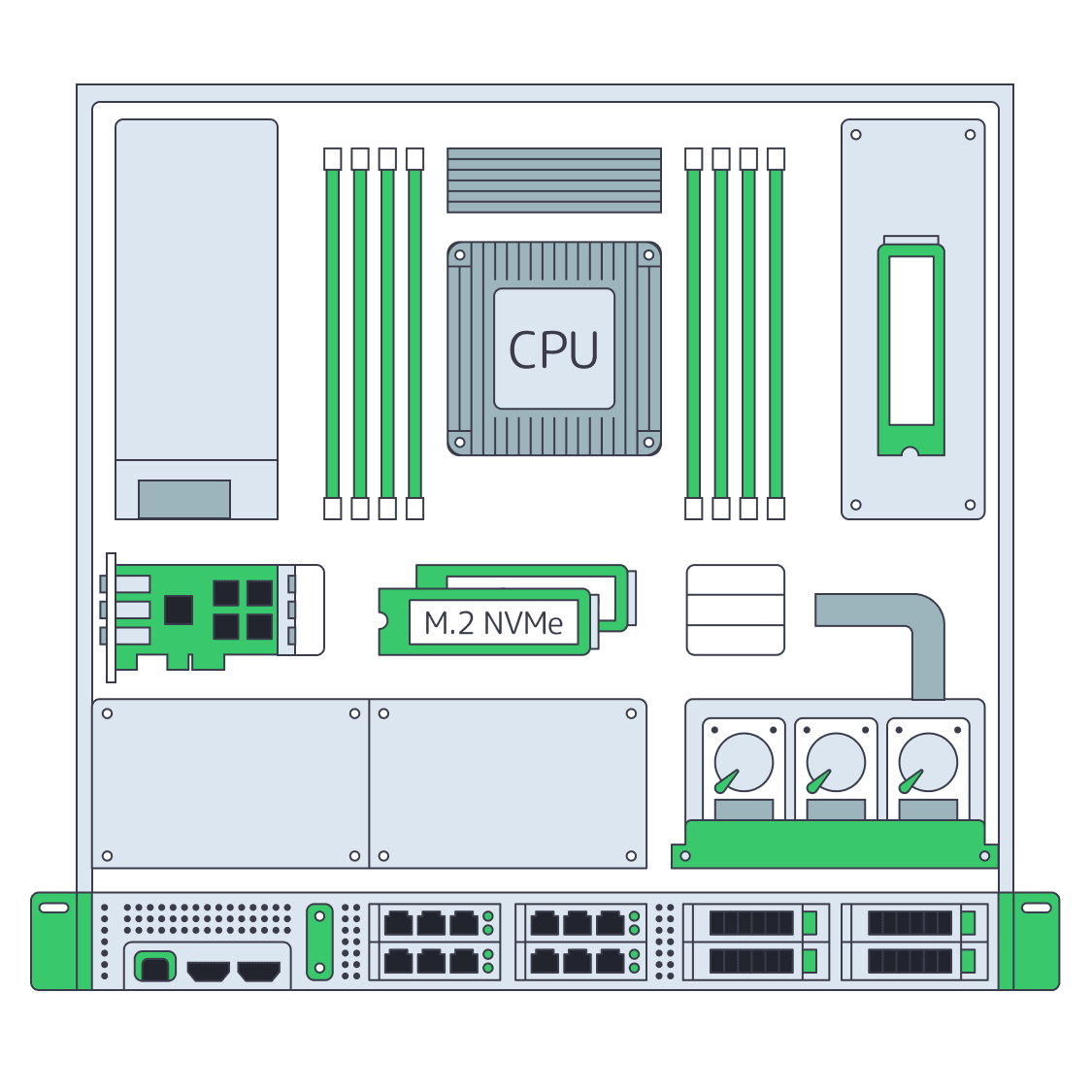
Size CPU and memory from order flow and queue depth so resource pressure remains measurable during peaks.

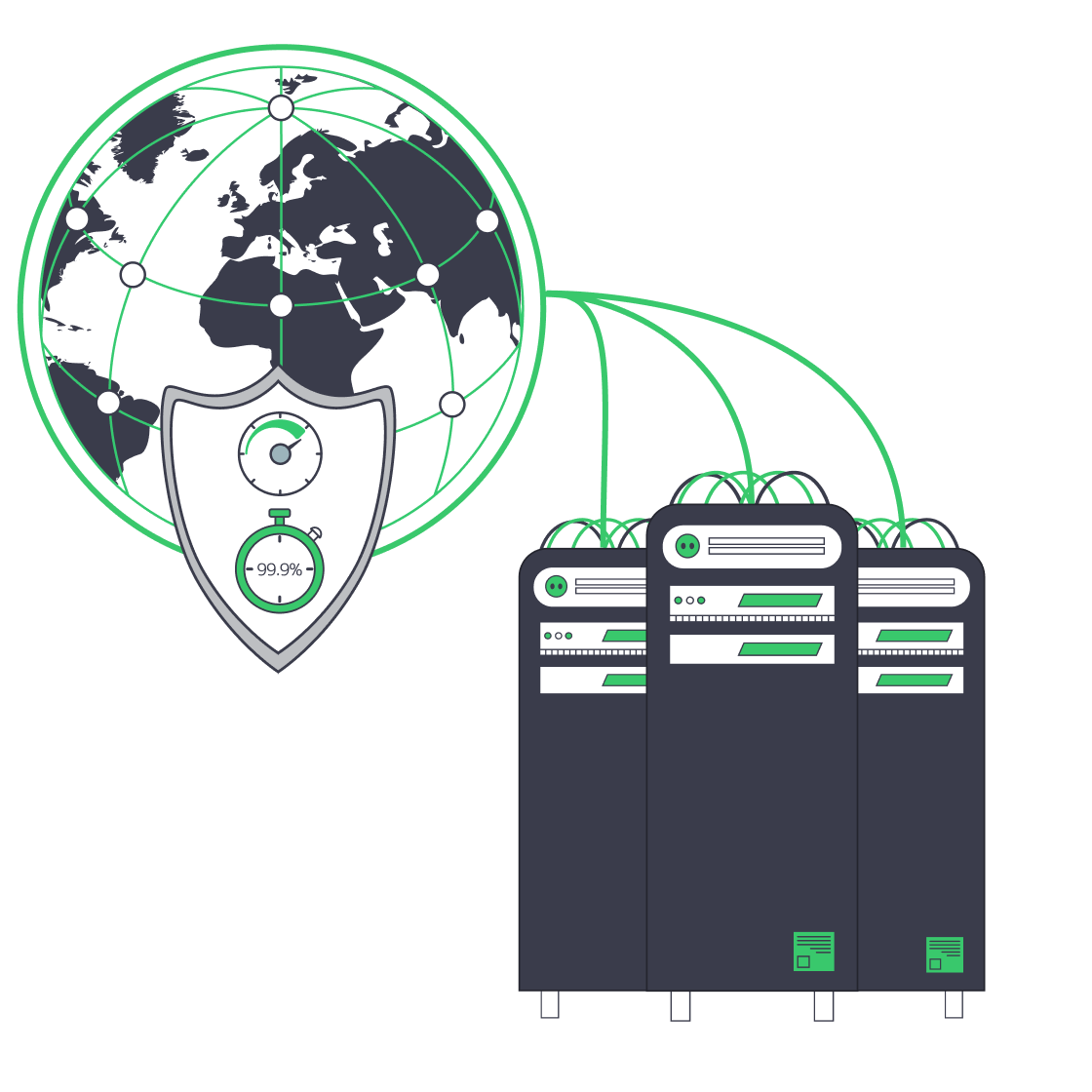
Choose regions from observed RTT and jitter so routing decisions reflect measured trading network conditions.

Move logging, reporting, and recovery tasks to separate resources so execution pressure remains easier to attribute.
Trading platforms combine gateways, matching engines, APIs, and market data pipelines that compete for compute and network capacity. Under peak market load, shared resources can hide whether queue growth, CPU pressure, or path variation originates in execution, ingestion, or telemetry across the trading system, complicating evidence-based infrastructure decisions.
At Melbicom, we provide isolated hardware so teams can assign each workload to a defined resource boundary. A dedicated server for trading supports execution, ingestion, and telemetry roles on separate resources, while regional deployment options let teams test RTT, jitter, and route behavior before assigning production traffic with measured evidence.
This operating model aligns trading server hosting with customer-owned monitoring, security, and recovery decisions. Teams can validate workload behavior, adjust capacity per role, and operate financial trading infrastructure with clearer attribution and measurable headroom under sustained market conditions while keeping software responsibilities explicit.



Handle inbound order flow on isolated compute so request parsing and validation remain stable under high concurrency.
Run execution logic on dedicated hardware so queue processing and state updates remain predictable during bursts.

Process feeds on separate nodes so ingestion rate and parsing do not interfere with execution or API workloads.

Serve client and partner APIs from isolated resources to maintain consistent response behavior during traffic spikes.

Run analytics and reporting on nodes so batch demand stays visible with execution and ingestion pressure.

Capture logs and metrics on nodes so telemetry demand stays measurable without obscuring execution pressure.

Plan recovery from data volume and accepted windows so rebuild and sync demand stays measurable in incidents.

Test RTT and jitter across regional nodes so routing decisions reflect observed path behavior under trading load.