MongoDB hosting for stable query performance at scale
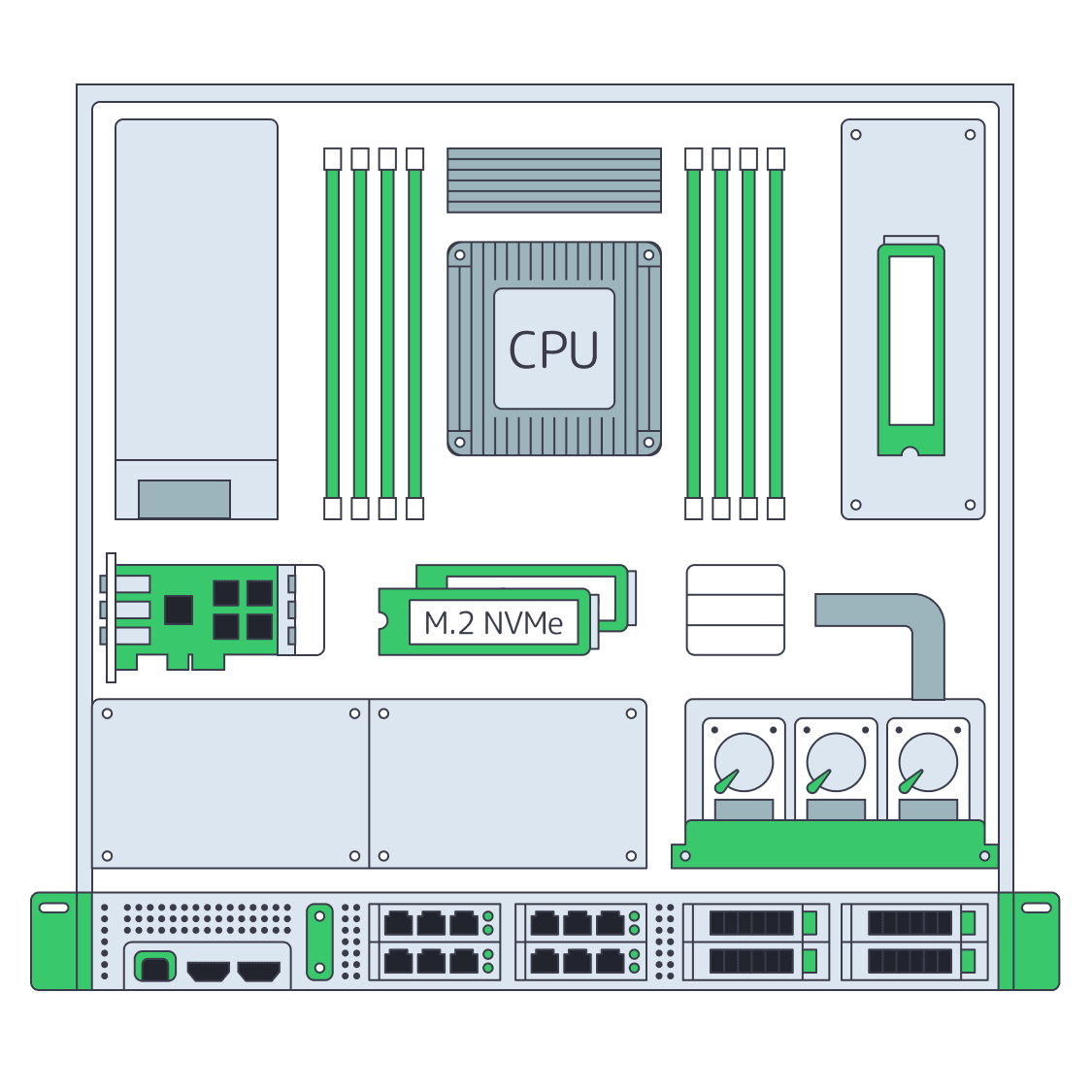
Run customer-managed MongoDB on isolated dedicated servers with configurable CPU, memory, storage, and bandwidth for steadier queries, consistent writes, and controlled maintenance windows.
Run customer-managed MongoDB on isolated dedicated servers with configurable CPU, memory, storage, and bandwidth for steadier queries, consistent writes, and controlled maintenance windows.
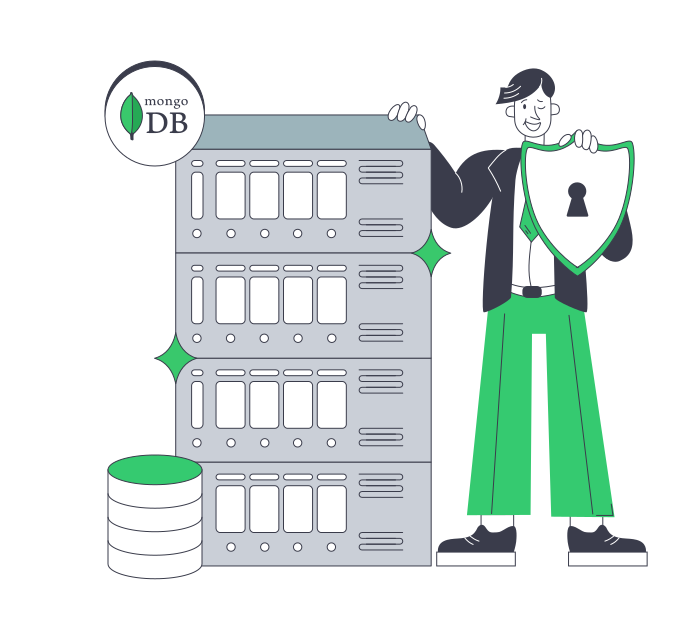

Dedicated hardware isolates CPU and memory so WiredTiger cache and query paths avoid contention under load.

Select CPU, RAM, storage, bandwidth, and location to match indexes, write patterns, and replication workflows.

Full system access lets your team control MongoDB versions, replica sets, sharding, and tuning decisions directly.

Use data storage as a separate location for backup files and archives outside production database nodes.
MongoDB workloads lose stability when working sets exceed memory or compete for shared CPU and storage resources. Query latency variance increases, write throughput becomes inconsistent, and replication lag appears under sustained load, forcing teams to rebalance capacity repeatedly instead of maintaining predictable database performance across environments.
Melbicom provides isolated dedicated infrastructure where you define CPU, memory, storage, bandwidth, and location characteristics. This allows teams to align resources with replica set roles, shard distribution, and workload patterns while retaining full control over MongoDB versions, tuning decisions, and maintenance planning across environments and lifecycle stages.
You operate MongoDB directly while infrastructure remains stable and predictable under your control. Backup files and archives move to a separate data storage destination, keeping production nodes focused on queries and writes while recovery workflows remain clearly separated, auditable, and consistently managed by your team over time.



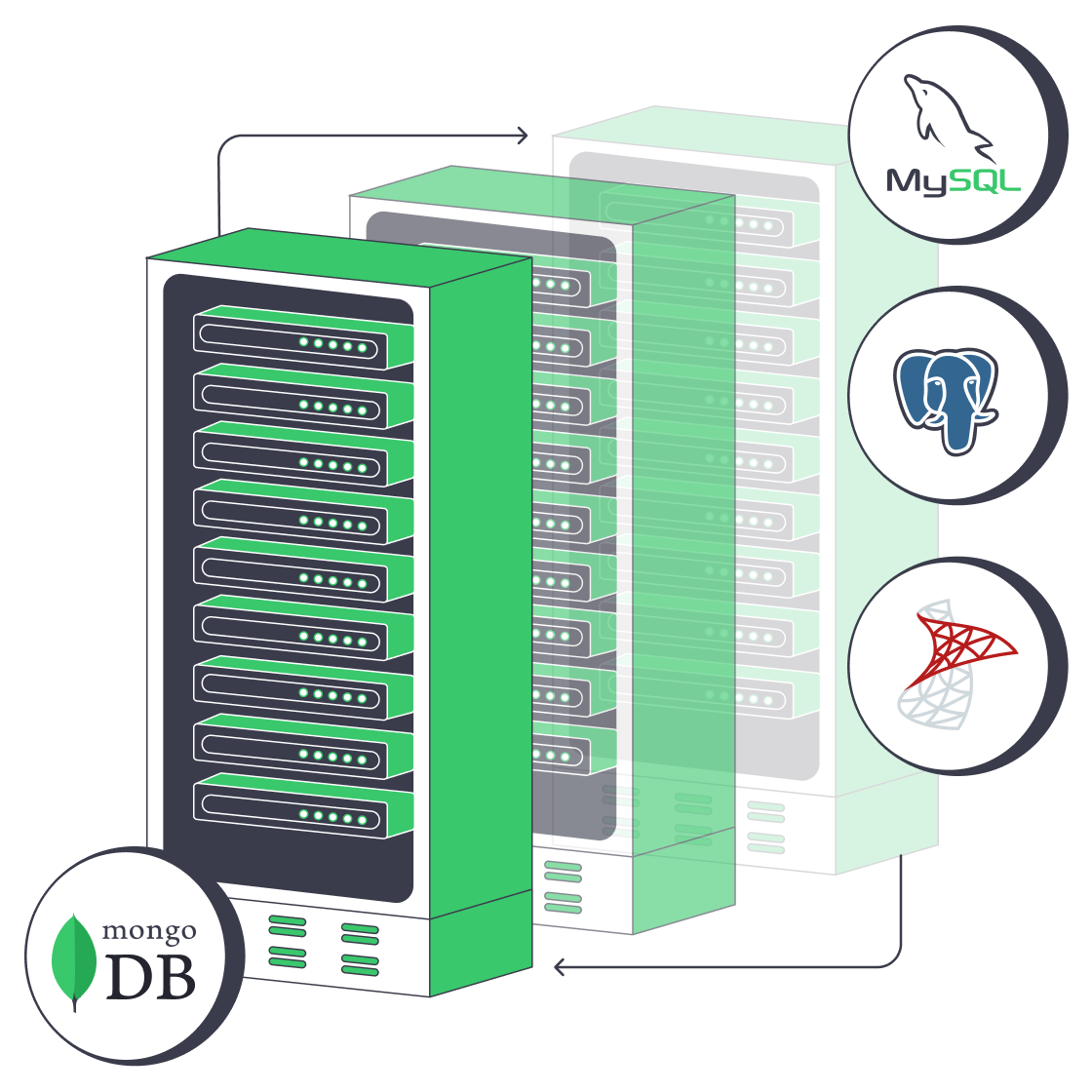
Run replica sets on isolated primary and secondary servers, keeping CPU, memory, and storage predictable during failover.

Deploy sharded clusters with per-shard compute and storage control, tuning routing and scaling without cross-node contention.

Run write-heavy loads with isolated resources to reduce replication lag and keep throughput stable under sustained load.

Serve read-heavy services with large resident working sets on isolated memory and storage to keep query latency stable.

Run aggregation jobs on isolated compute to avoid contention and protect operational query and write performance at scale.

Place nodes across regions with controlled replication paths, keeping latency stable for distributed application workloads.
Store snapshots and archives in separate data storage, preserving production resources for active query workloads.

Use external backups with customer-controlled recovery to isolate restores from live production resources during failures.