Better shopping at scale with your Magento dedicated server
Rent hardware for the Magento stack you operate. Choose resources for checkout and indexing headroom, and use remote access to control releases, extensions and recovery.
Rent hardware for the Magento stack you operate. Choose resources for checkout and indexing headroom, and use remote access to control releases, extensions and recovery.


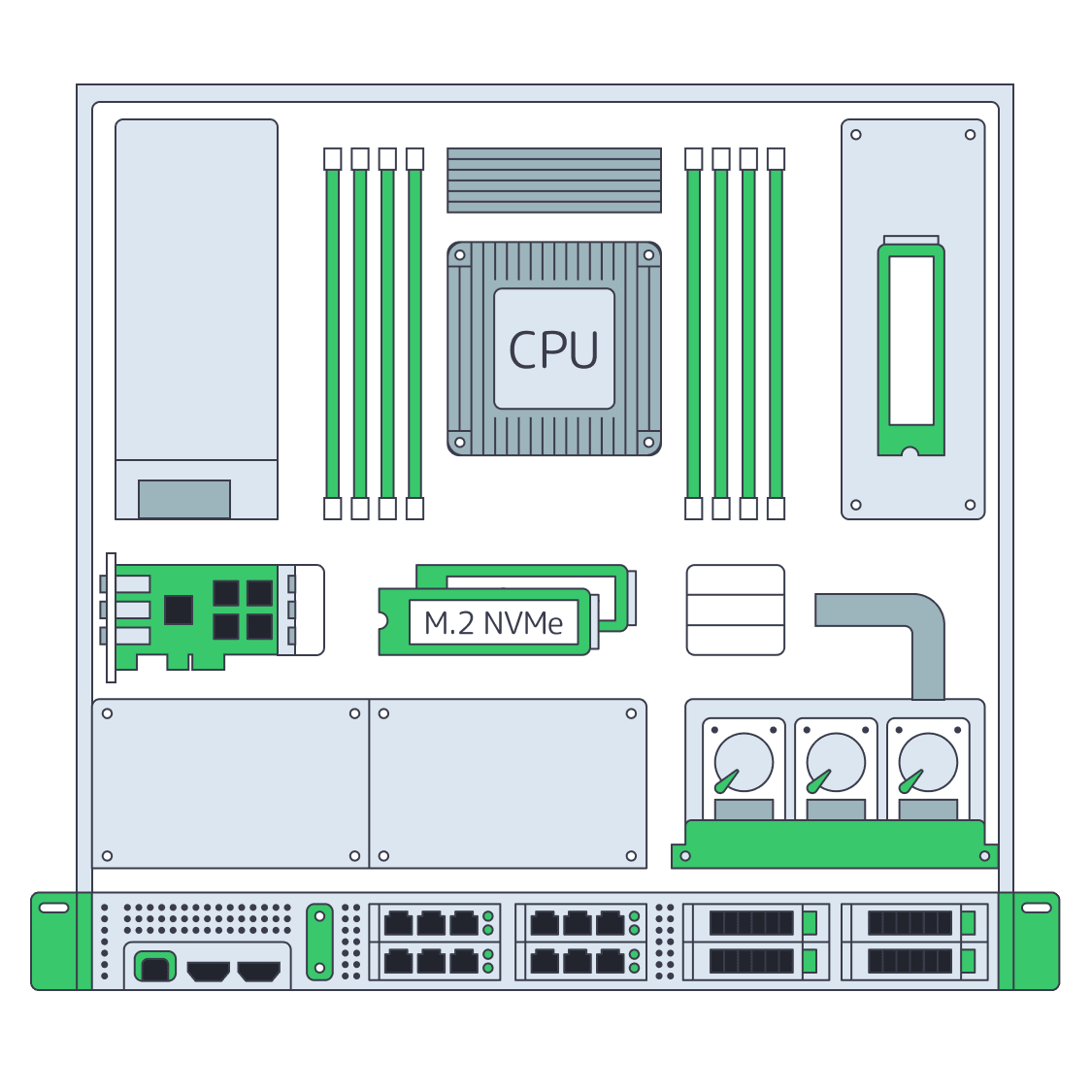
CPU and RAM choices let you plan PHP worker headroom for uncached checkout and personalized requests.

Select storage for database growth and indexer I/O, with room for the catalog changes your team publishes.

Use IPMI/KVM access to install compatible components and control when you deploy tested Magento extensions.

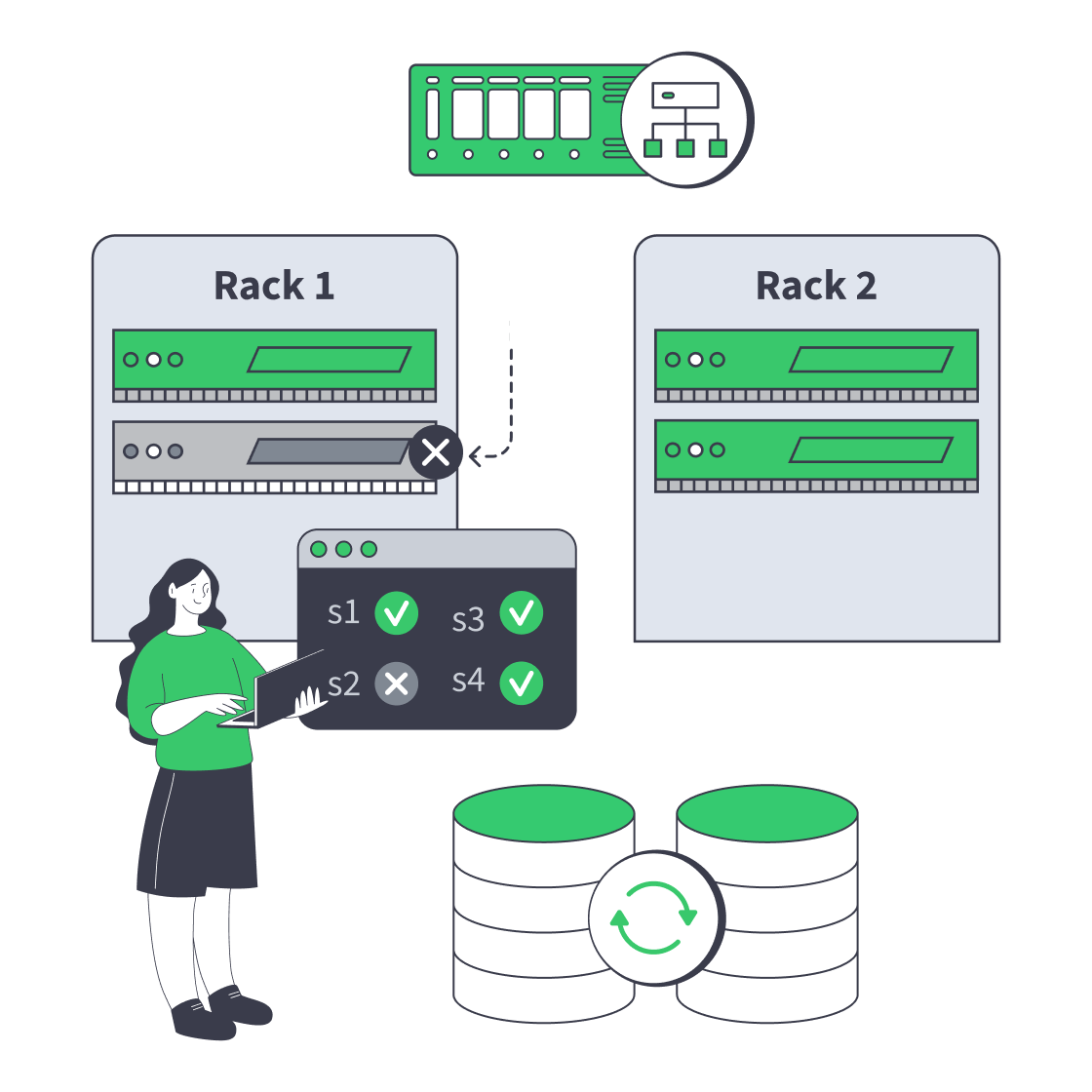
Connect separate application and database hosts through private links when measured contention warrants a split.
Magento capacity starts with the requests and jobs your store actually runs. PHP workers handle uncached checkout while catalog changes, store views, imports and indexers add their own demand. Match the host to that combined workload and your response-time and job-completion targets, keeping the hardware budget tied to measured demand.
Melbicom supplies isolated hardware with CPU, RAM, storage and network choices to match your measured workload. Custom builds are ready in 3–5 business days, helping you plan store launches, migrations and capacity increases. IPMI/KVM remote console access lets your team install compatible components and manage the software release cycle.
Keep the stack on one host when combined demand and recovery requirements allow it. When measurements justify separation, connect application, database and search hosts over private links and size each role independently. Allocate hardware to checkout and catalog work while scheduling software maintenance and recovery tests around the store’s operating needs.



Size CPU and RAM for active PHP workers, testing uncached purchase paths against your response-time targets.

Catalog changes across store views shape memory and storage demand, informing the resources you allocate to the host.

Allocate CPU and storage throughput for indexers, checking job completion time alongside live storefront requests.

Account for cron and import activity in your host budget, including resources used while checkout requests are running.

Use a separate staging host when extension compatibility tests need their own resources before a production release.

Size a database host independently when measured contention justifies separation, with private links to application hosts.

Give search its own CPU and memory when measurements justify a separate host, with storage sized independently.

Assign client stores to physical hosts around their workloads, release schedules and agreed responsibilities for recovery.