Elasticsearch hosting sized for concurrent search and indexing
Rent dedicated servers for search or log analytics. Allocate memory beyond the heap, plan storage for retained indexes, and keep cluster configuration and recovery under your control.
Rent dedicated servers for search or log analytics. Allocate memory beyond the heap, plan storage for retained indexes, and keep cluster configuration and recovery under your control.

Choose CPU capacity for concurrent queries and indexing, then test both against your search and ingest targets.

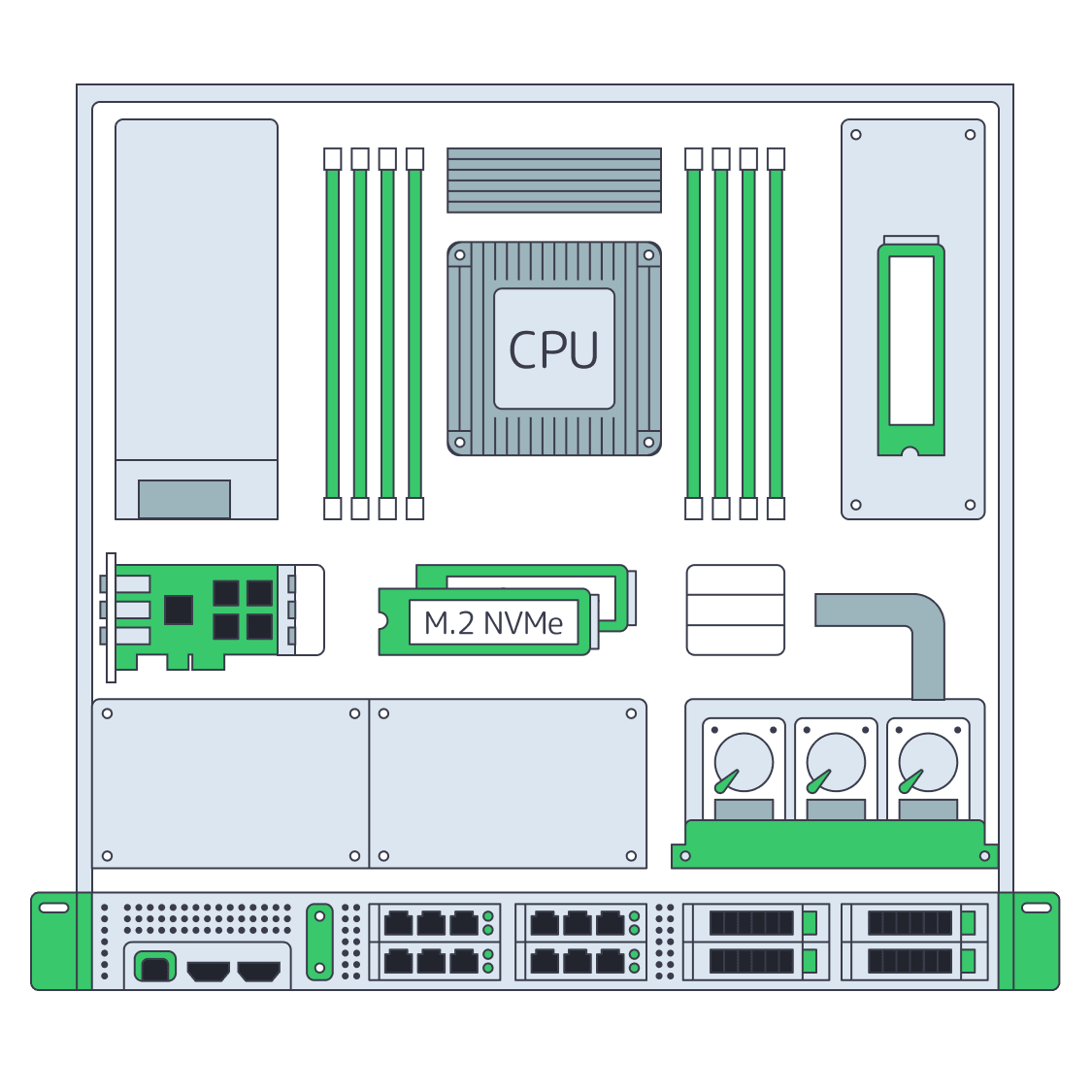
Select RAM for heap, off-heap use, and filesystem cache, with capacity reserved for the operating system.

Size usable storage for retained indexes and replicas, with working space for segment merges and cluster recovery.

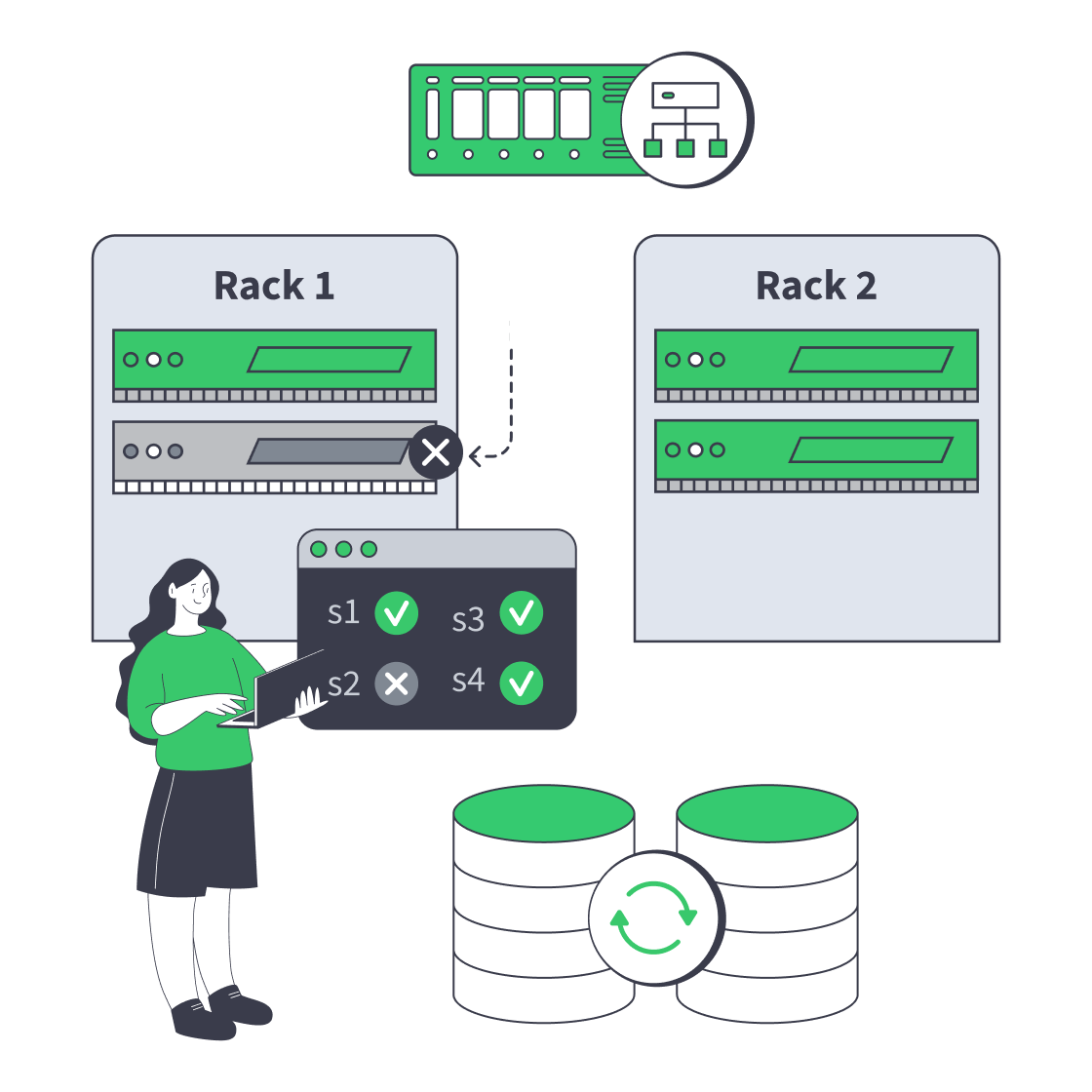
Use private networking to connect your hosts, matching link capacity to cluster replication and recovery traffic.
Search traffic does not pause while new data arrives. Size your hosts for queries, indexing, and segment merges together, then account for the indexes you retain. A representative workload test connects latency and ingestion targets to the CPU, RAM, and usable storage you pay for.
Choose a ready Melbicom configuration or get a custom server built around your CPU, RAM, usable storage, and network needs in 3–5 business days. Allow for retention growth, reindexing projects, and new search demand on hardware dedicated to your workload. Reserve memory for filesystem cache and disk space for replicas and recovery headroom.
Private networking connects hosts for replication and recovery traffic, while your team assigns node roles and operates Elasticsearch. Match link capacity to replication volume while live searches and indexing continue. Remote console access and custom ISO uploads give you control over installation and maintenance, with Melbicom supporting the underlying infrastructure.



Match CPU and cache capacity to your application's query patterns while budgeting for ongoing index updates.

Budget storage for retained logs and replicas, then test investigative searches alongside the incoming event stream.

Size CPU and RAM for dashboard queries running together, and measure response times during normal ingestion.

Choose CPU and storage for bulk indexing that runs alongside live queries, including space for segment merges.
Translate retention windows and replica settings into usable storage needs, leaving room for ongoing segment activity.

Assign node roles across hosts in your design, using private links for the cluster's replication and recovery traffic.

Reserve CPU and disk headroom for reindexing alongside existing indexes, then validate capacity on the intended build.

Run restore tests on chosen hardware to check recovery targets, with snapshots from your own off-cluster repository.