Docker hosting sized around simultaneous service demand

Rent a dedicated server for your Docker Engine and Compose stack. Size CPU and memory for APIs, workers, and databases, with storage capacity for persistent data and application growth.

Docker containers and application developer with server

Dedicated Docker hosting for your whole stack

CPU capacity sizing
Reserved compute for concurrent services

Assign the host's CPU and memory to web requests, workers, and databases, with headroom for overlapping peaks.

Storage retention capacity sizing
Storage capacity for persistent data

Size disk space for database volumes, uploads, and retained logs, with room for application data growth.

Server hardware replacement
Ready hardware or a custom server build

Select a ready-to-go server or order a custom build around your application's CPU, memory, and storage needs.

Multiple LAN bandwidth paths
Connectivity choices for application traffic

Select a location and bandwidth option that fit user traffic, connected services, and application data transfers.

Available configurations
Need a Custom Build?
Filters
Clear all
Data center
Data center
CPU
CPU
CPU Brand
CPU Brand
RAM
RAM
Storage
Storage
from
up to
GPU
GPU
    Bandwidth
    Bandwidth
    Data Transfer
    Data Transfer
    Available configurations –
    CPU
    Memory
    Storage
    Network
    GPU
    Data center
    Price
    Show more

    Persistent data shapes the host choice

    A Compose application brings web services, background workers, and databases onto the same host. Reserve CPU and memory around their combined demand, with room for host overhead and peak activity. Size storage for persistent volumes, uploads, images, and logs, including space for growing data and temporary files during application releases.

    Melbicom offers ready-to-go servers and custom builds with CPU, memory, and storage matched to your service mix and application data. Custom hardware is ready in 3–5 business days. Choose the configuration, location, and bandwidth for your deployment, with whole-host resources reserved for your applications and no upfront hardware purchase.

    Install Docker Engine and Compose on the rented host, then deploy your own containers and choose how services run together. Your team manages software, releases, and data recovery; Melbicom supports the infrastructure. That division keeps image choices, resource settings, and update schedules aligned with your application’s operating needs.

    Developer deploying Docker services on a server

    Give concurrent services room to run

    Match compute and storage to live traffic, persistent data, and planned application releases.
    CPU for concurrent requests
    Memory for active services
    Space for persistent data
    Room for staged releases
    Control of service settings
    No upfront hardware purchase

    Shape the host around your stack

    Select compute, storage, and connectivity for your service mix, peak demand, and persistent data.
    Choose CPU for overlapping work
    Budget memory across services
    Size storage for persistent data
    Allow for uploads and log growth
    Choose your server location
    Match bandwidth to traffic demand
    Select ready-to-go hardware
    Order a custom configuration
    Leave room for host overhead
    Get support for infrastructure
    Plan your stack host
    Discuss a ready-to-go server or custom hardware for your application stack.
    Discuss your host

    Capacity for the applications you operate

    Application traffic operations
    Web services

    Allocate CPU for concurrent web and API requests, with memory headroom for the services responding to user traffic.

    Queue worker workflow
    Queue workers

    Queued work shares a CPU budget with live requests. Use measured demand to set worker concurrency and headroom.

    Container network topology
    Application stacks

    Run web, worker, and database containers as one Compose stack, with capacity allocated across the services.

    Verified storage I/O
    Persistent data

    Database volumes and uploads set the disk footprint. Size capacity for retained records, file growth, and application logs.

    Corporate business customer
    Internal tools

    Reserve resources for business dashboards and internal tools, with CPU and memory sized for simultaneous employee activity.

    QA server staging
    Staged releases

    Reserve disk space for release images and memory for staging, alongside the resources used by live application services.

    RAM memory module
    Memory-heavy apps

    Give memory-heavy services room for their active data, with RAM sized around peaks and the host's operating overhead.

    Application capacity sizing
    Concurrent apps

    Share the host across business applications, assigning CPU and memory budgets to the services that run simultaneously.

    Explore host choices for your Compose stack

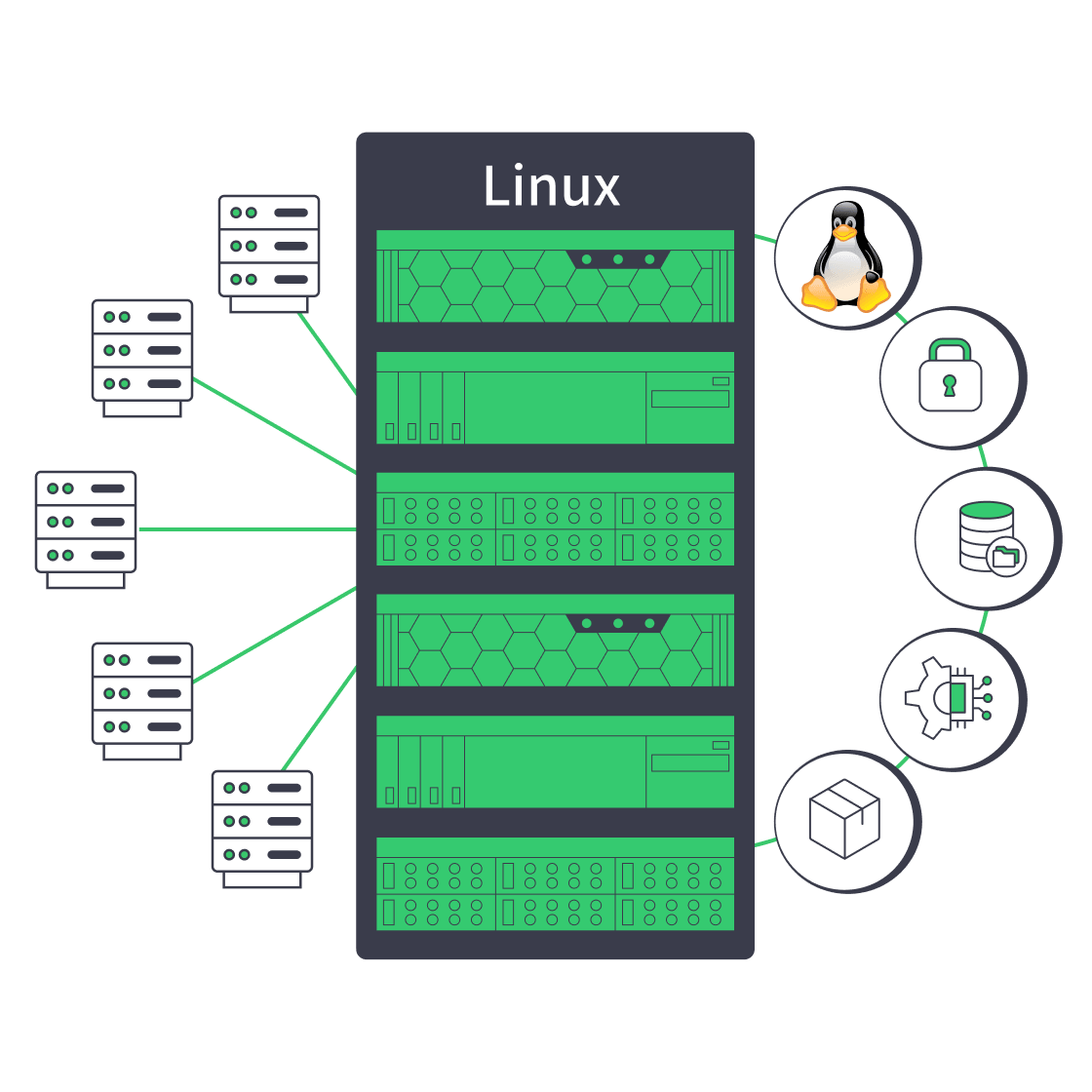
    Linux dedicated server with security, automation, storage, and network controls
    Linux Dedicated Server: Production Checklist for Control, Security, & Scale
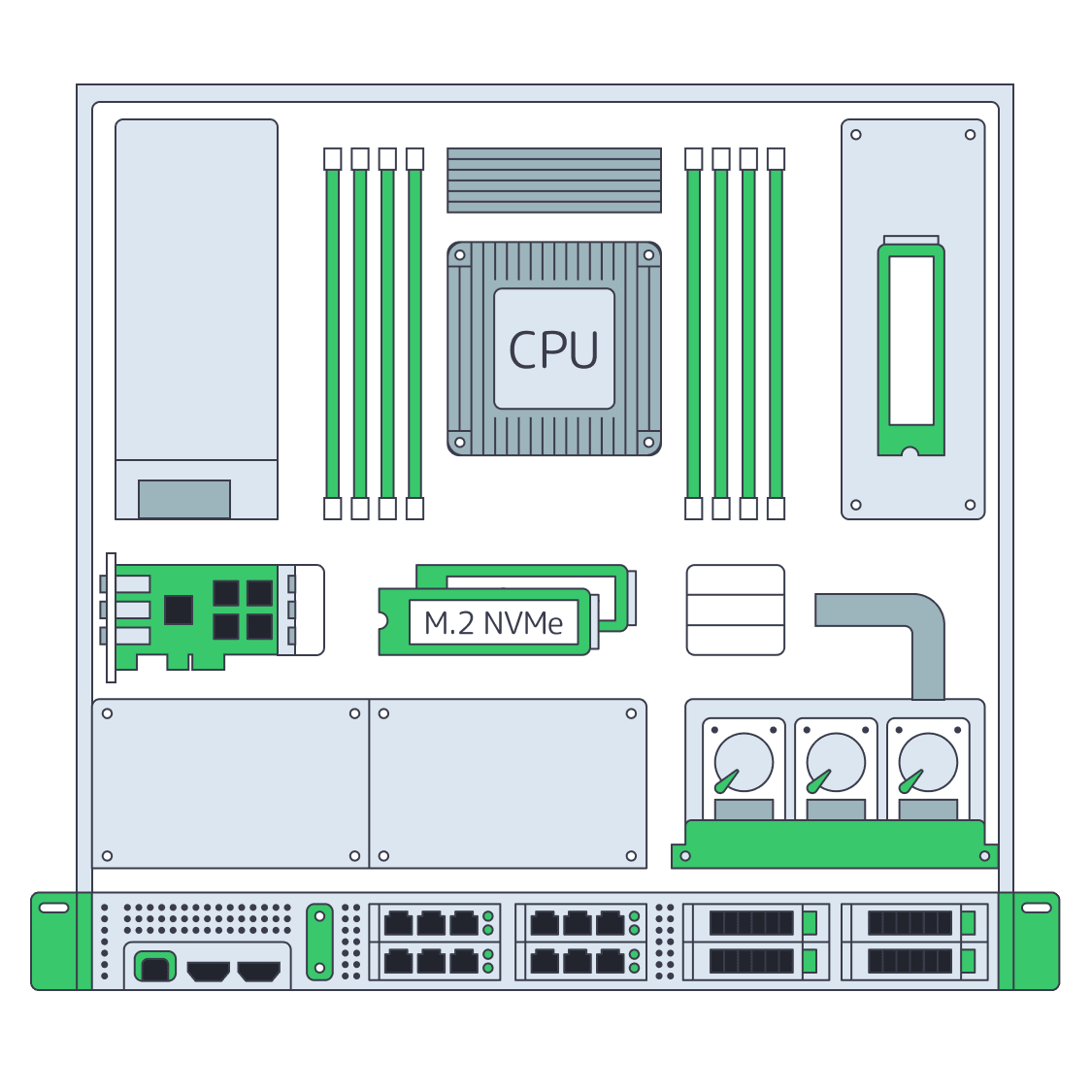
    Dedicated server BOM with CPU, RAM, NVMe, and NIC modules sized from workloads
    Spec Dedicated Servers From Workload, Not the Catalog
    Block vs object storage bridge linking a fast server and a scalable storage cluster
    Choosing Between Object and Block Storage for Your Workloads
    Technician audits hosting options to ensure reliable web-application functionality
    Choosing the Right Web Application Hosting Strategy
    More articles
    FAQ
    How do ready-to-go and custom servers differ?
    What should our server specification include?
    How much CPU and memory does our stack need?
    What software compatibility should we check?
    How should we protect data in persistent volumes?
    How does Compose fit a single-host deployment?
    How should we prepare application releases?
    How should we control published endpoints?
    What needs a trust review before deployment?
    How should we evaluate the application host?
    How should we compare the cost of a host?
    When does a whole-host rental fit Docker?
    Start with an account
    Create a Melbicom account to rent a host for your application stack and persistent data.
    Create an account
    Discuss your host needs
    Bring your service mix, peak demand, and storage needs to discuss ready-to-go or custom hardware.
    Discuss your host