DeFi hosting with isolated capacity sized for each workload
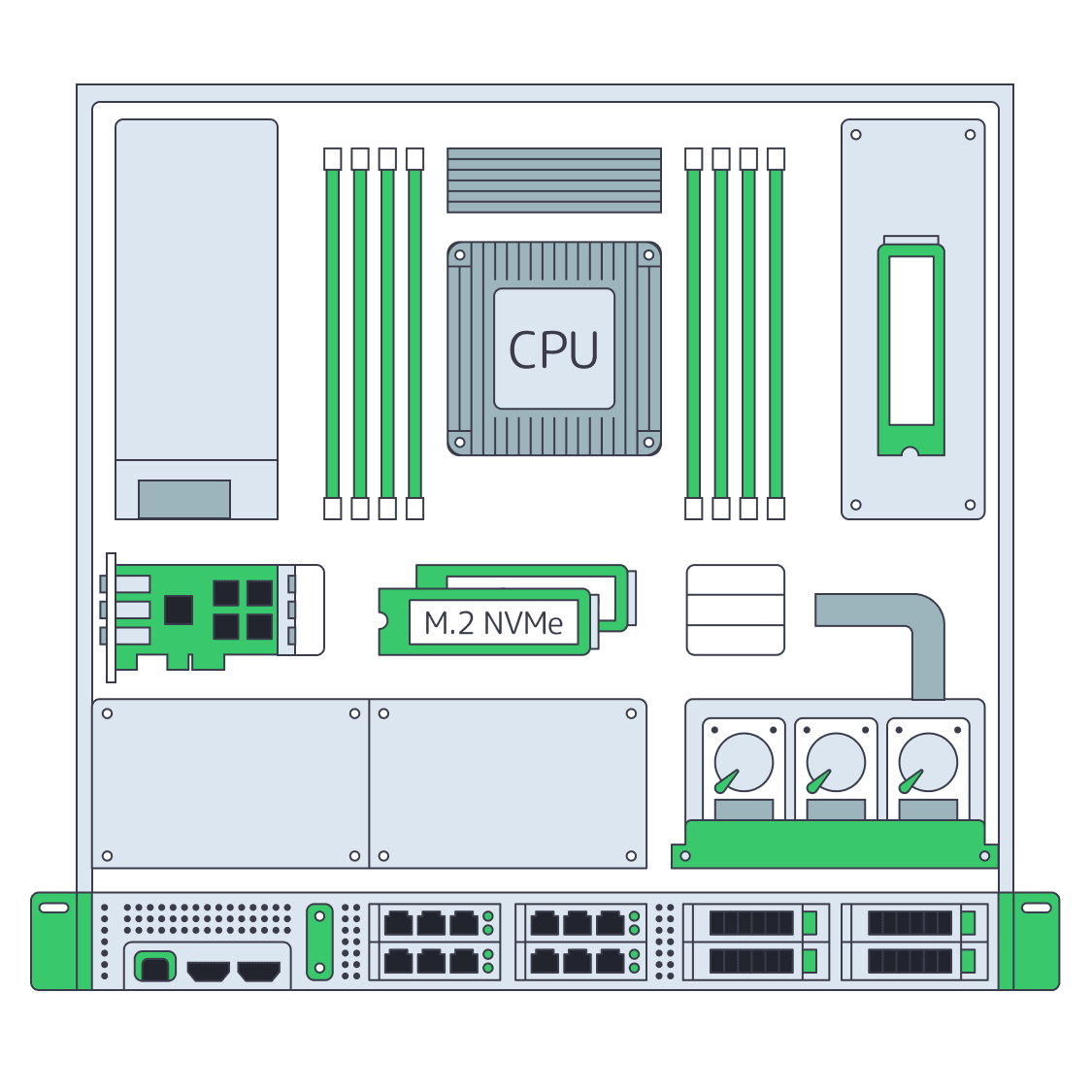
Run API, RPC, indexing, database, and worker workloads on isolated dedicated servers sized by CPU, RAM, storage I/O, and bandwidth so queue depth, lag, and contention are easier to trace.
Run API, RPC, indexing, database, and worker workloads on isolated dedicated servers sized by CPU, RAM, storage I/O, and bandwidth so queue depth, lag, and contention are easier to trace.


Isolate API and RPC request paths with reserved CPU and network capacity during sudden concurrency bursts.

Run event ingestion on separate cores and storage so indexing lag points to a measurable bottleneck.

Size database and cache nodes to the active working set, query pressure, and recovery headroom under load.

We offer both metered and unmetered bandwidth for public endpoints, data movement, and worker queues.
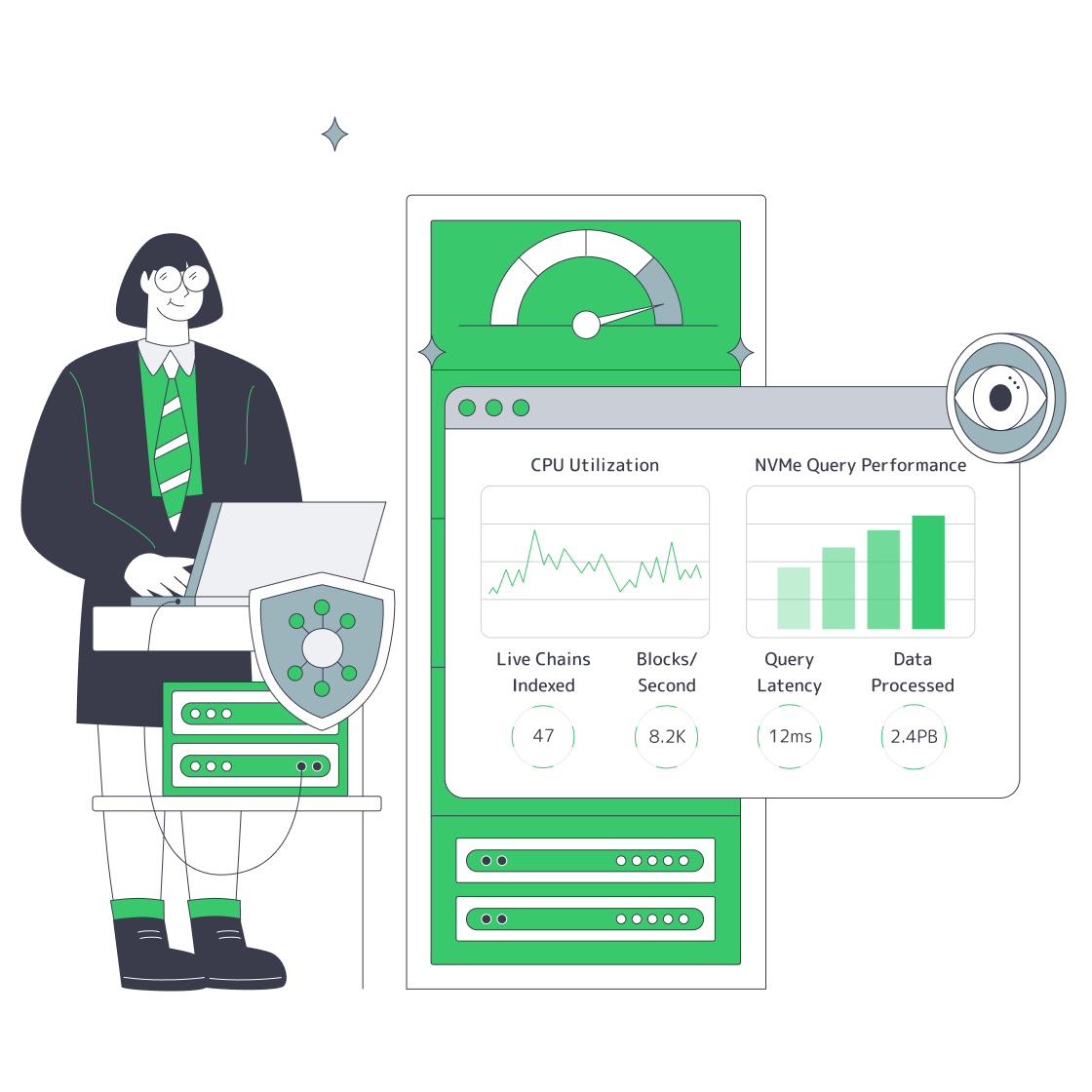
Market bursts do not arrive one workload at a time. API concurrency, customer-operated RPC traffic, event ingestion, transaction simulation, database writes, and liquidation queues can climb together. Shared CPU, memory, storage I/O, and bandwidth pressure then turns into slower request paths, rising indexing lag, and harder bottleneck attribution.
At Melbicom, we provide dedicated servers for DeFi with isolated hardware, ready-to-go configurations, custom builds, and regional choices for CPU, RAM, storage, and bandwidth. Teams can assign capacity and spend by service role, while our engineers provide 24/7 technical support for the physical hardware and network infrastructure behind those workloads.
Separate latency-sensitive APIs and RPC-facing services from ingestion, analytics, databases, caches, simulations, and background workers when demand profiles conflict. Consolidate compatible roles when measurements justify it. Your team keeps control of code, protocol logic, data, keys, monitoring, releases, and operations—and a capacity plan it can defend.



Separate request concurrency from ingestion so queue depth stays measurable during market traffic bursts.

Run customer-operated RPC software on dedicated CPU, memory, and network capacity near regional demand.
Route event ingestion off query workloads so indexing lag exposes storage I/O pressure during peak market load.

Reserve compute for pre-execution checks so burst demand does not contend with APIs, databases, or background jobs.

Give risk models dedicated CPU and memory around pricing inputs, recalculation cycles, and market bursts.

Set worker concurrency, queue depth, and network capacity for liquidations while protocol logic stays customer-managed.

Match RAM, storage I/O, and recovery headroom to the active working set, write pressure, and restore needs under load.

Place hot data near request paths and isolate broad scans when they would compete with latency-sensitive services.