DAO infrastructure hosting built for governance control

Run governance APIs, blockchain clients, event indexers, databases, and automation on dedicated servers for DAOs, with explicit capacity for workload isolation, member access, and controlled recovery.

Secure DAO governance on dedicated servers

DAO hosting decisions start with workload boundaries

Isolated blockchain state
Isolate DAO workloads

Isolate proposal APIs and voting services from node sync, indexing, and recovery work to reduce governance contention.

Blockchain storage capacity sizing
Size for DAO demand

Match CPU, memory, NVMe storage, and bandwidth to governance concurrency, query volume, and projected state growth.

Software development screen
Control software and access

Choose operating systems, blockchain clients, monitoring, and firewall rules with root access on isolated hardware.

Regional node placement
Place workloads by access

Place workloads by member access, upstream endpoints, and failure domains to support regional recovery planning.

Available configurations
Need a Custom Build?
Filters
Clear all
Data center
Data center
CPU
CPU
CPU Brand
CPU Brand
RAM
RAM
Storage
Storage
from
up to
GPU
GPU
    Bandwidth
    Bandwidth
    Data Transfer
    Data Transfer
    Available configurations –
    CPU
    Memory
    Storage
    Network
    GPU
    Data center
    Price
    Show more

    Compare DAO workload fit when choosing infrastructure hosting

    DAO governance demand is event driven: proposal launches, voting deadlines, treasury actions, and member queries load APIs, databases, and indexers unevenly. When those services share capacity with blockchain synchronization, analytics, or recovery work, background processing can consume resources needed for timely governance access and operational visibility.

    At Melbicom, we provide isolated dedicated servers with explicit capacity for each workload. Governance APIs, blockchain clients, indexing pipelines, databases, automation workers, and recovery jobs use selected compute, memory, NVMe storage, and regional placement. Both metered and unmetered bandwidth options are available; plan storage for state growth and rebuild needs.

    Your team controls the operating model: define workload boundaries, assign redundancy across machines or regions, schedule resync and recovery, and set software, access, monitoring, and backup policies. This separation limits contention around live proposal and voting services while preserving customer ownership of applications, clients, smart contracts, keys, and operational decisions.

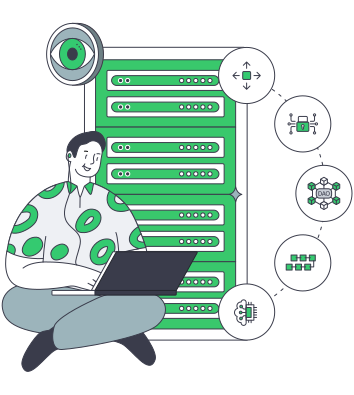
    Operator managing secure DAO governance infrastructure

    Keep governance services responsive

    Operational gains your DAO team sees when workloads run on isolated capacity.
    Stable governance API response
    Predictable voting access
    Reduced sync job contention
    Controlled recovery windows
    Consistent regional access
    Full infrastructure control

    Size capacity for DAO workloads

    Run Web3 governance infrastructure with isolated capacity, explicit boundaries, and control for DAO workloads.
    Isolated compute for DAO workloads
    Dedicated capacity for indexing pipelines
    NVMe storage for state and history
    Bandwidth sized to query demand
    Regional deployment for member access
    Root control over OS and software
    Separation of sync and recovery jobs
    Explicit failure domain design
    Supported crypto or fiat payments
    Access 24/7 technical support
    Server configuration
    View 1000+ ready-to-go server configurations or request custom builds in 3–5 business days.
    Talk to an expert

    Map each DAO workload to explicit capacity

    Application traffic operations
    Governance APIs and voting

    Run proposal APIs, voting endpoints, and dashboards on isolated capacity so member access stays stable during peaks.

    RPC server stack
    Blockchain clients and RPC

    Run blockchain clients and RPC services on dedicated resources, separated from governance layers to limit sync contention.

    Distributed indexing statistics
    Indexing and analytics

    Keep indexing pipelines and analytics on separate capacity so processing does not contend with governance APIs or queries.

    Stacked database cylinder
    Databases and state storage

    Store governance data and logs on NVMe-backed storage with capacity planned for state growth and rebuild operations.

    Approved DAO governance payment
    Automation and treasury

    Run automation workers for treasury actions on separate capacity so execution stays consistent during load spikes.

    Statistics monitoring dashboard
    Monitoring and visibility

    Run monitoring stacks separately so governance visibility stays available when other workloads create resource pressure.

    Recovery capacity expansion
    Recovery and resync

    Reserve dedicated capacity for resync and recovery tasks to limit rebuild impact on active governance services and access.

    Multi-location data centers
    Multi-region governance

    Place regional workloads by member distribution and upstream endpoints to maintain governance access and recovery.

    Infrastructure guidance for DAO operators

    Dedicated servers linking RPC, indexers, storage, CDN, and observability
    Why Production dApps Fail in the RPC Layer, Not the Chain
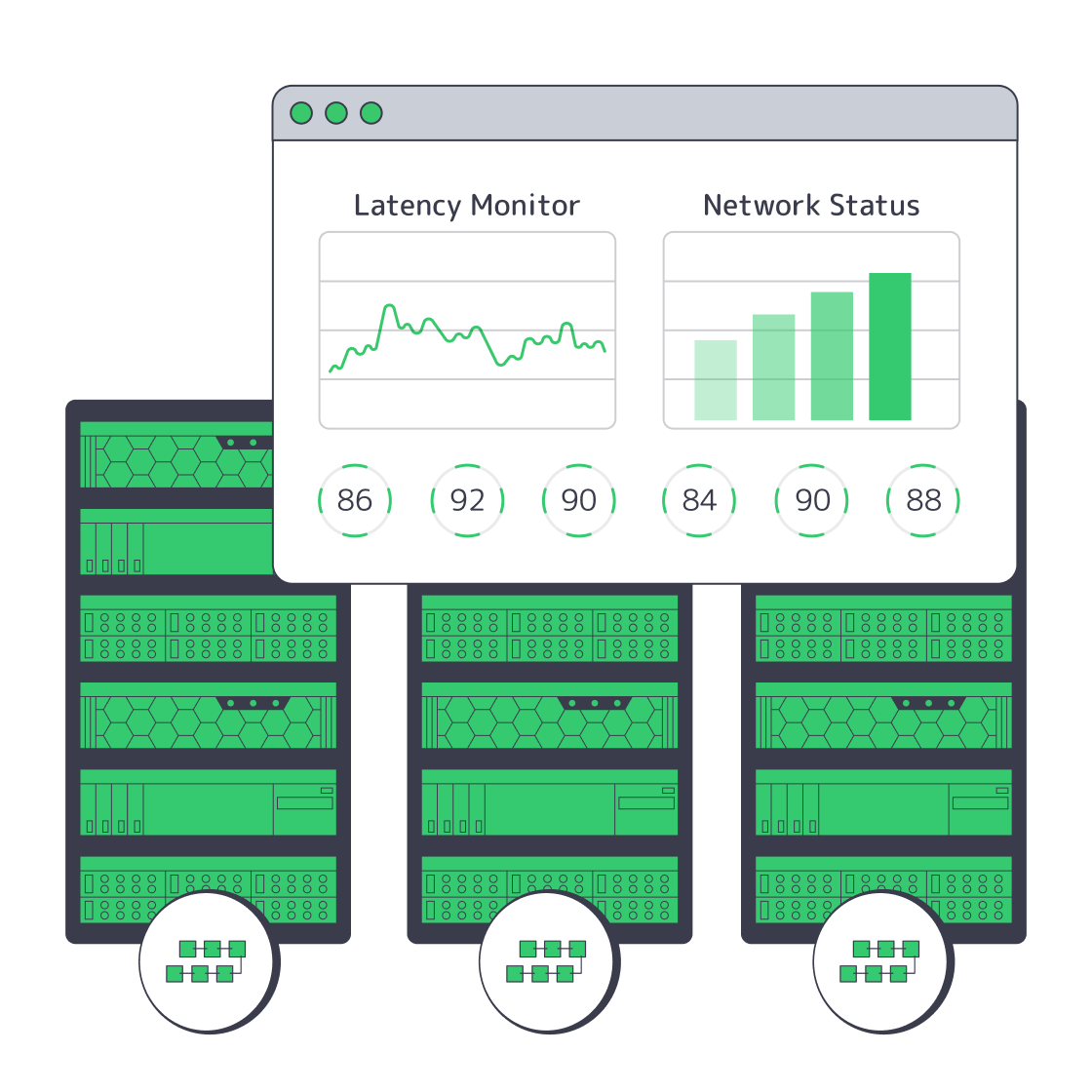
    Blockchain chain linked to dedicated servers with performance dashboards
    Dedicated Servers for dApp Backends and Off-Chain APIs
    Globe with server racks, padlock, 24/7 clock, and fiber links for validator hosting
    Dedicated Servers for Blockchain Node Hosting and Staking
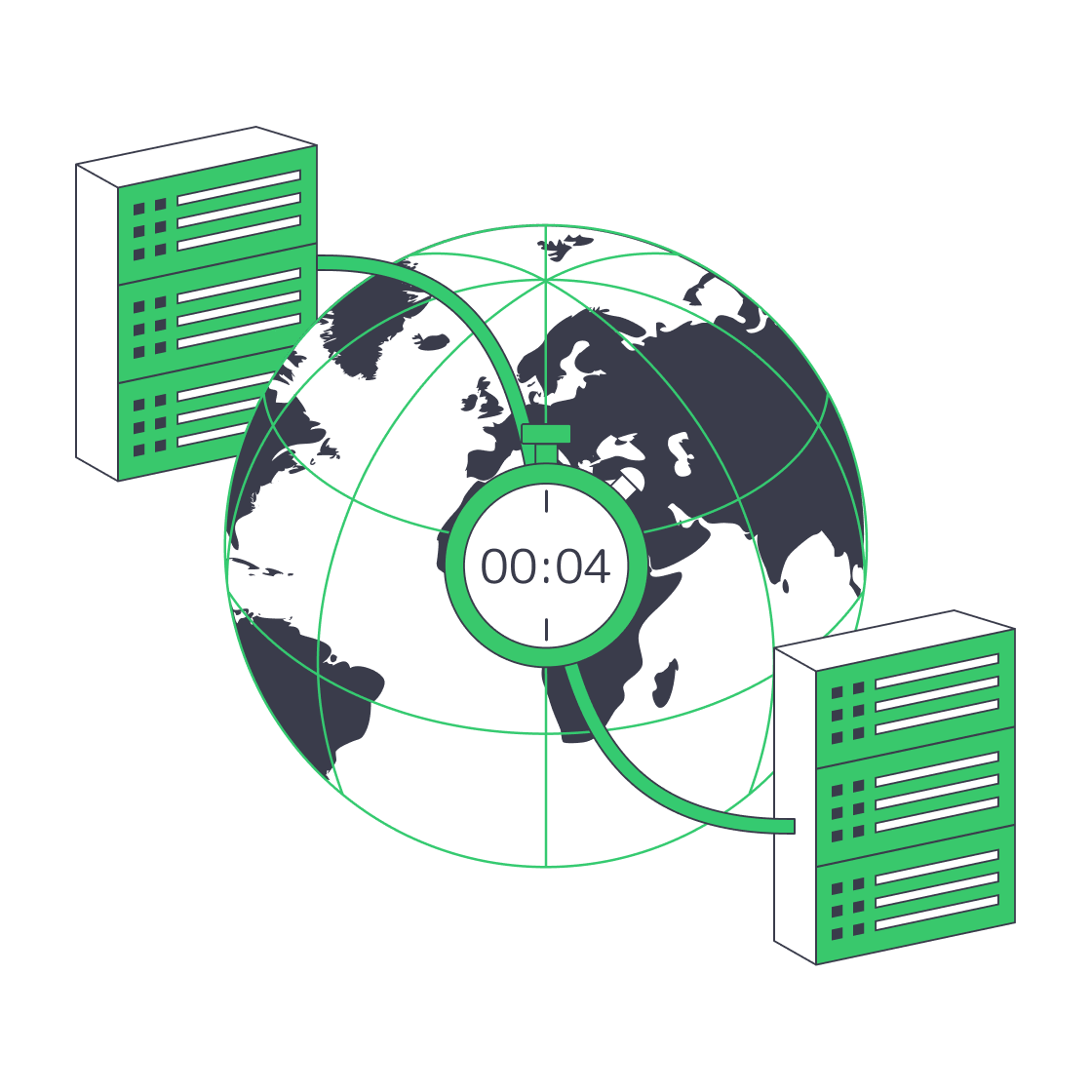
    Globe with paired data‑centres linked for four‑minute disaster recovery.
    Architecting Minutes-Level RTO with Melbicom Servers
    More articles
    FAQ
    Which DAO workloads should be isolated from sync and indexing jobs?
    Who manages DAO blockchain clients smart contracts keys monitoring?
    How should DAO teams size infrastructure capacity?
    Why is workload isolation important for DAO hosting?
    How does regional placement affect DAO infrastructure?
    What storage considerations matter for DAO workloads?
    Can DAO teams control their infrastructure configuration?
    How should redundancy be planned for DAO systems?
    How should DAO teams choose metered or unmetered bandwidth?
    Can DAO teams use cryptocurrency or fiat payments?
    Opening an account
    Create your account, access the panel, and configure servers aligned to governance workloads.
    Create an account
    Migration without disruption
    Share governance workloads, regions, and capacity needs so we map boundaries and plan transition.
    Talk to an expert