Solana node hosting on fully controlled dedicated hardware
Run validator and private RPC roles on isolated hardware. Choose CPU, RAM, storage, region, and bandwidth around your topology for clearer capacity planning and procurement.
Run validator and private RPC roles on isolated hardware. Choose CPU, RAM, storage, region, and bandwidth around your topology for clearer capacity planning and procurement.


Keep CPU, RAM, storage, and network capacity assigned to one node role, away from unrelated tenant workloads.

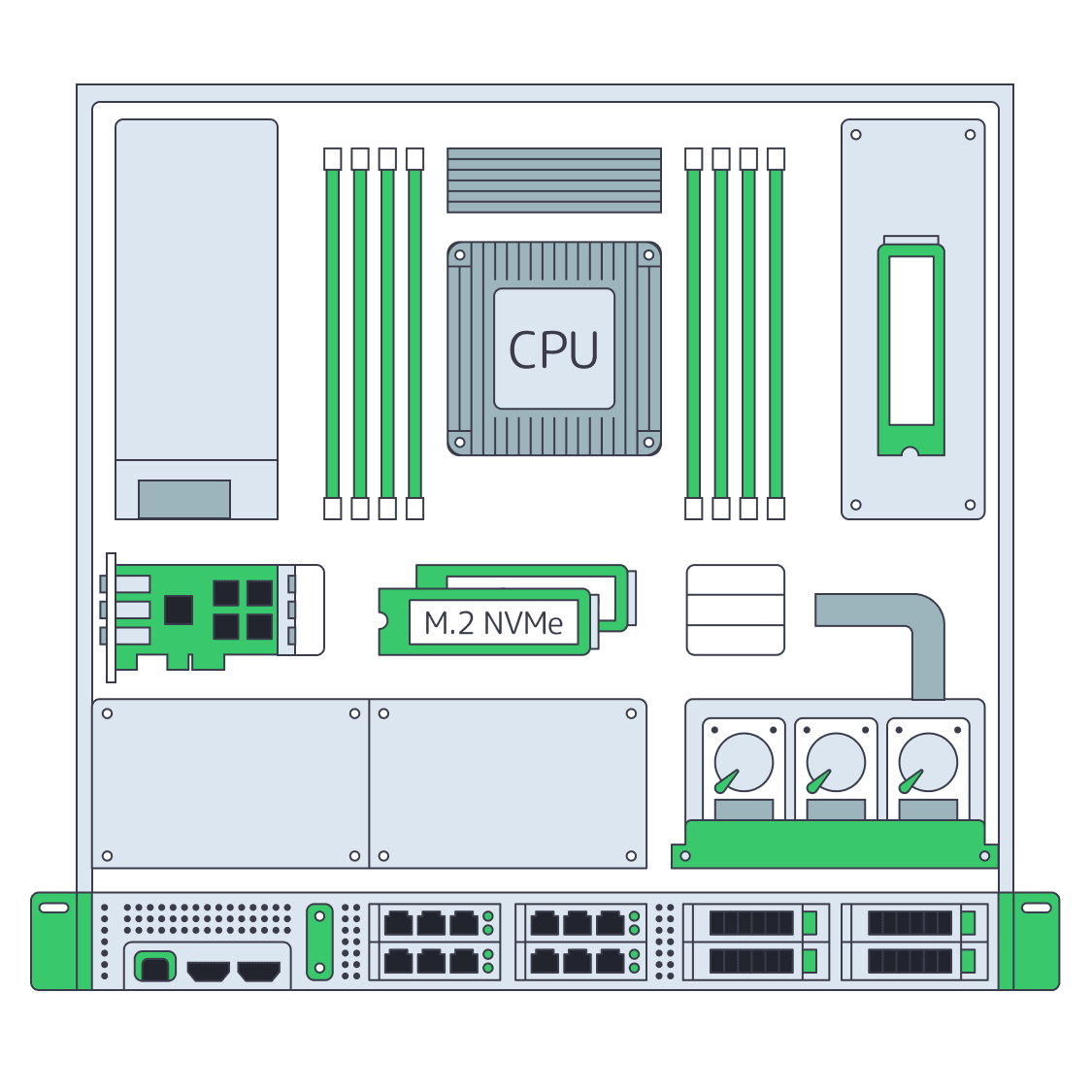
Compare processor, memory, storage, and bandwidth details with current validator or RPC requirements before ordering.

Select an available region around application demand, operator access, and the topology your team intends to run.

Choose a listed fixed-traffic or unmetered plan around synchronization needs and expected application-request volume.
Operating a validator or private RPC service puts core decisions with your team: client versions, keys, access, monitoring, upgrades, capacity, and recovery planning. The infrastructure should surface those responsibilities clearly and support validation of resource fit instead of hiding them behind managed endpoints or ambiguous operating boundaries.
Melbicom provides isolated hardware for each node role, with ready-to-deploy and custom configurations, regional deployment options, and selectable bandwidth plans. Compare CPU, RAM, storage, and network specifications with current Solana requirements before ordering, then choose capacity and location that align with the topology your team intends to operate.
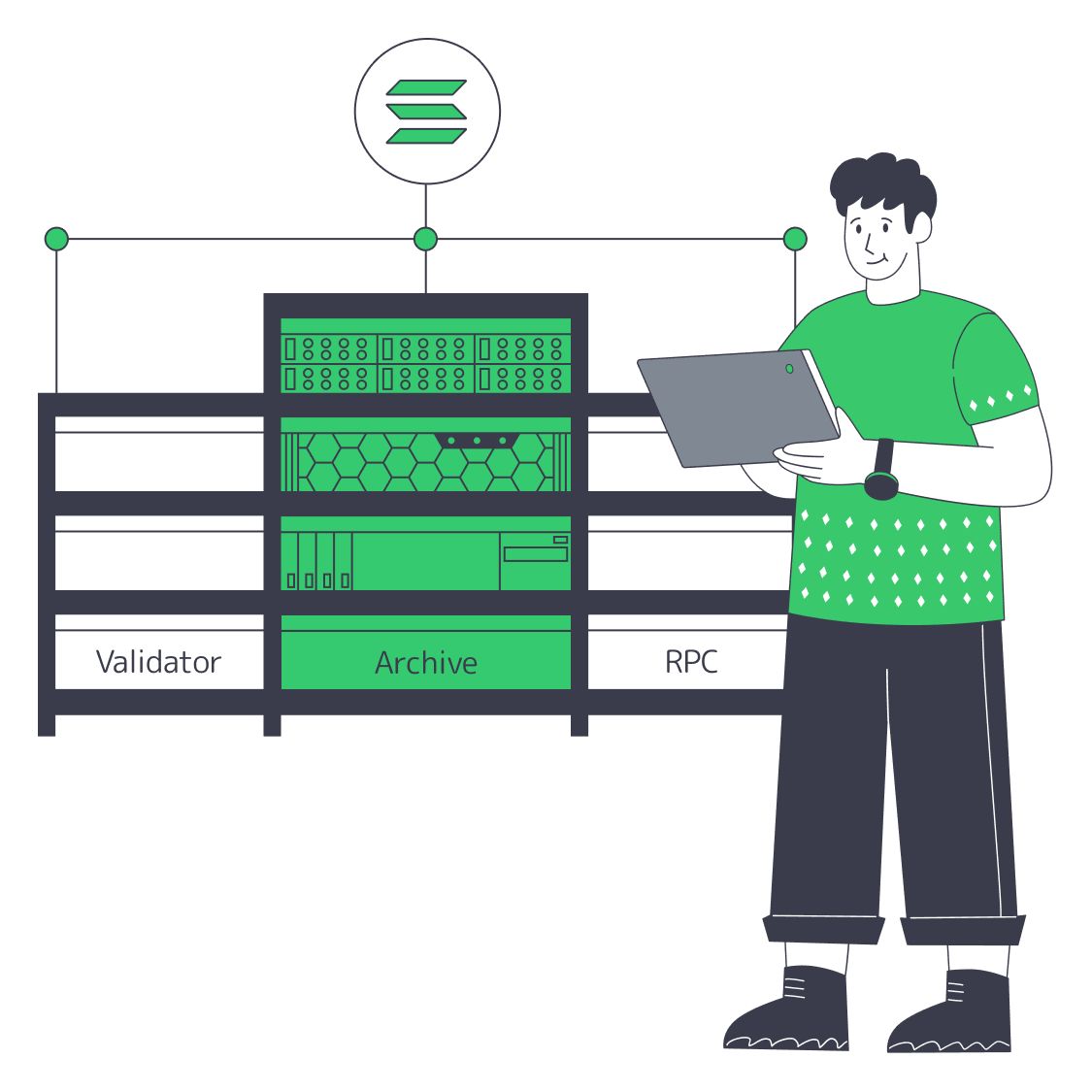
Assign separate servers to validator, private RPC, standby, or staging roles while keeping full control of installation, security, monitoring, upgrades, tuning, keys, and protocol operation. Melbicom supports the underlying server and network service, maintaining a clear boundary that simplifies capacity planning, procurement decisions, and long-term lifecycle ownership.



Run a validator on isolated hardware while your team controls keys, clients, monitoring, upgrades, and consensus duties.

Run a customer-operated RPC service for application requests, with compute, storage, bandwidth, and access under your control.

Separate application-request traffic from other node roles while your team controls software, access, monitoring, and updates.
Place validator and RPC roles on separate servers around the topology, capacity plan, and controls your team defines.

Reserve isolated capacity for recovery planning while your team manages software state, failover, and validator operation.

Test client versions and operating changes on customer-controlled hardware before applying them to a production node role.

Place nodes in available regions around application demand, operator access, and the topology your team has designed.

Request a custom build when ready-to-go servers do not match documented CPU, RAM, storage, or network requirements.