
Blog
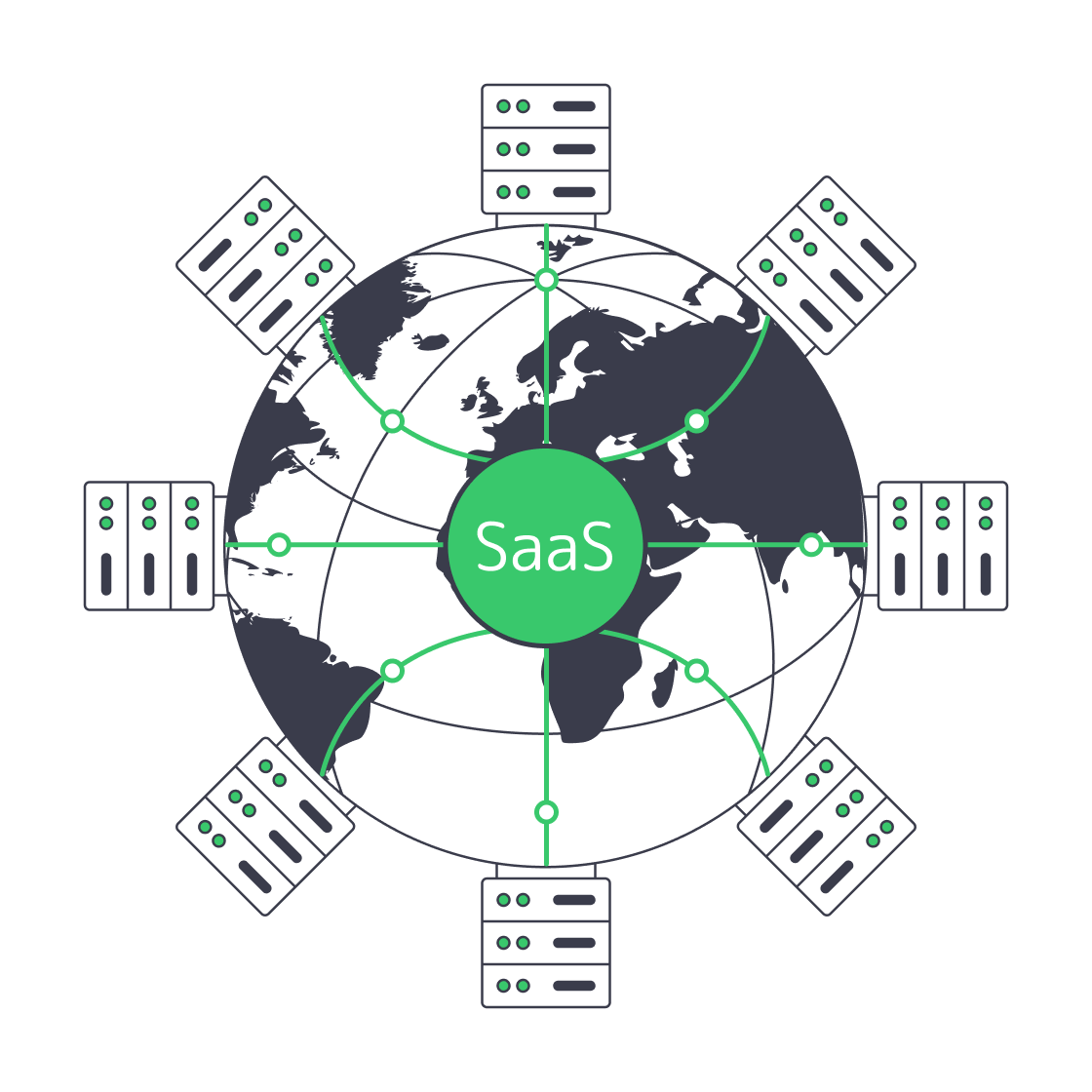
Hosting SaaS Applications: Key Factors for Multi‐Tenant Environments
Cloud adoption may feel ubiquitous, yet the economics and physics of running Software-as-a-Service (SaaS) are far from solved. Gartner forecast worldwide end-user spending on public cloud services at $723.4 billion in 2025, up from $595.7 billion in 2024.[1] At the same time, performance sensitivity keeps tightening: Akamai reported that even a 100 ms delay can reduce conversion rates by up to 7 % and that two seconds can increase bounce rates by up to 103 %.[2] Hosting strategy therefore becomes a core product decision, not a back-office concern for SaaS teams.
Public clouds and container Platform-as-a-Service (PaaS) offerings can be ideal for prototypes, but their usage-metered nature introduces budget shocks. Dedicated server clusters—especially when deployed across Melbicom’s Tier III and Tier IV facilities—offer a different trajectory: deterministic performance, full control over data residency and a flat, predictable cost curve. The sections that follow explain how to architect secure, high-performance multi-tenant SaaS systems on Melbicom hardware and when this approach can outperform generic container PaaS at scale.
Choose Melbicom— 1,400+ ready-to-go servers — 21 global Tier IV & III data centers — 39 CDN PoPs across 35 countries |
 |
Multi-Tenant Reality Check — Single-Tenant Pitfalls in One Paragraph
Multi-tenant design lets one running codebase serve thousands of customers, maximising resource utilisation and simplifying upgrades. Classic single-tenant hosting, by contrast, duplicates the full stack per client, inflates operating costs and turns every release into a coordination nightmare. Except for niche compliance deals, single-tenancy is today a margin-killer. The engineering goal is therefore to make a multi-tenant system behave like dedicated infrastructure for each tenant—without paying single-tenant prices.
How Can Dedicated Server Clusters Support Multi-Tenant SaaS Resource Pools?
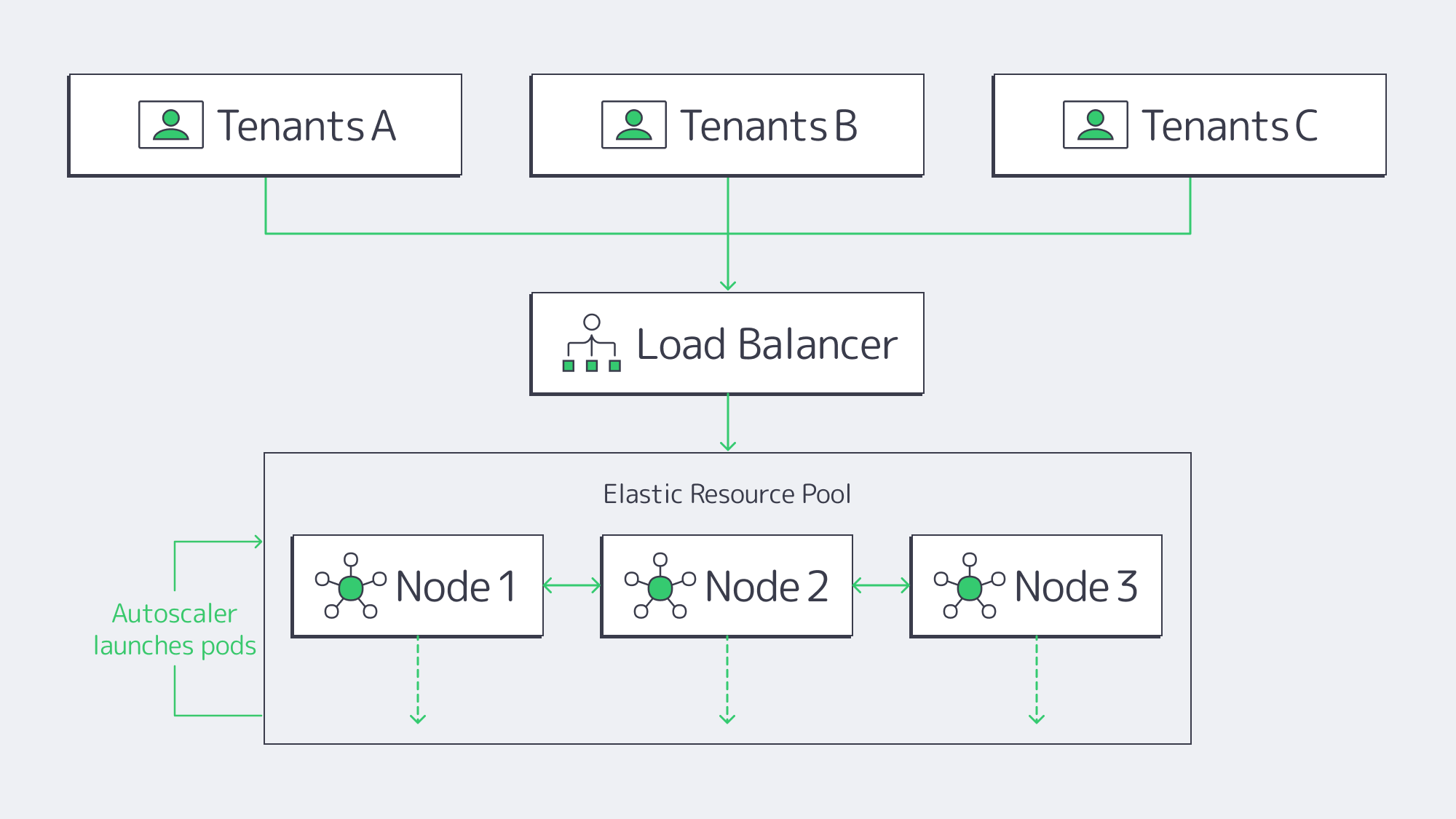
Every Melbicom dedicated server is a physical machine—its CPU, RAM and NVMe drives belong solely to you. Wire multiple machines into a Kubernetes or Nomad cluster and the fixed nodes become an elastic pool:
- Horizontal pod autoscaling adjusts containers as service metrics change.
- cgroup quotas and namespaces cap per-tenant CPU, memory and I/O, preventing starvation between tenants.
- Cluster load-balancing keeps hot shards near hot data.
Because no hypervisor interposes, workloads reach the metal directly, but the performance case is workload-specific rather than automatic. CNCF coverage notes that modern VM-based container platforms can approach bare-metal performance for many workloads, while bare metal remains useful for specialized latency-sensitive cases and direct hardware control.[3] Academic studies report virtualisation overheads between 5 % and 30 % depending on workload and hypervisor.[4] Practically, a spike in Tenant A’s analytics job will not degrade Tenant B’s dashboard when quotas, scheduling and placement rules are enforced across tenants.
Melbicom augments the design with per-server network capacity up to 200 Gbps and redundant uplinks, eliminating the NIC contention and tail spikes common in shared-cloud environments in production.
How Do Regional SaaS Controls Meet Residency Rules?
Regulators now scrutinize cross-border transfers: GDPR, Schrems II and similar frameworks make data location, transfer safeguards and key control part of SaaS architecture. Real compliance is easier when you own the rack. Melbicom operates 21 data centers worldwide—Tier IV Amsterdam for EU data and Tier III sites in Frankfurt, Madrid, Los Angeles, Mumbai, Singapore and more. SaaS teams deploy separate clusters per jurisdiction:
- EU tenants run exclusively on EU nodes with EU-managed encryption keys.
- U.S. tenants run on U.S. nodes with U.S. keys.
- Geo-fenced firewalls and asynchronous replication keep disaster-recovery targets low without breaching residency rules.
Because the hardware is yours, audits rely on direct evidence, not a provider’s white paper.
Zero-Downtime Rolling Upgrades
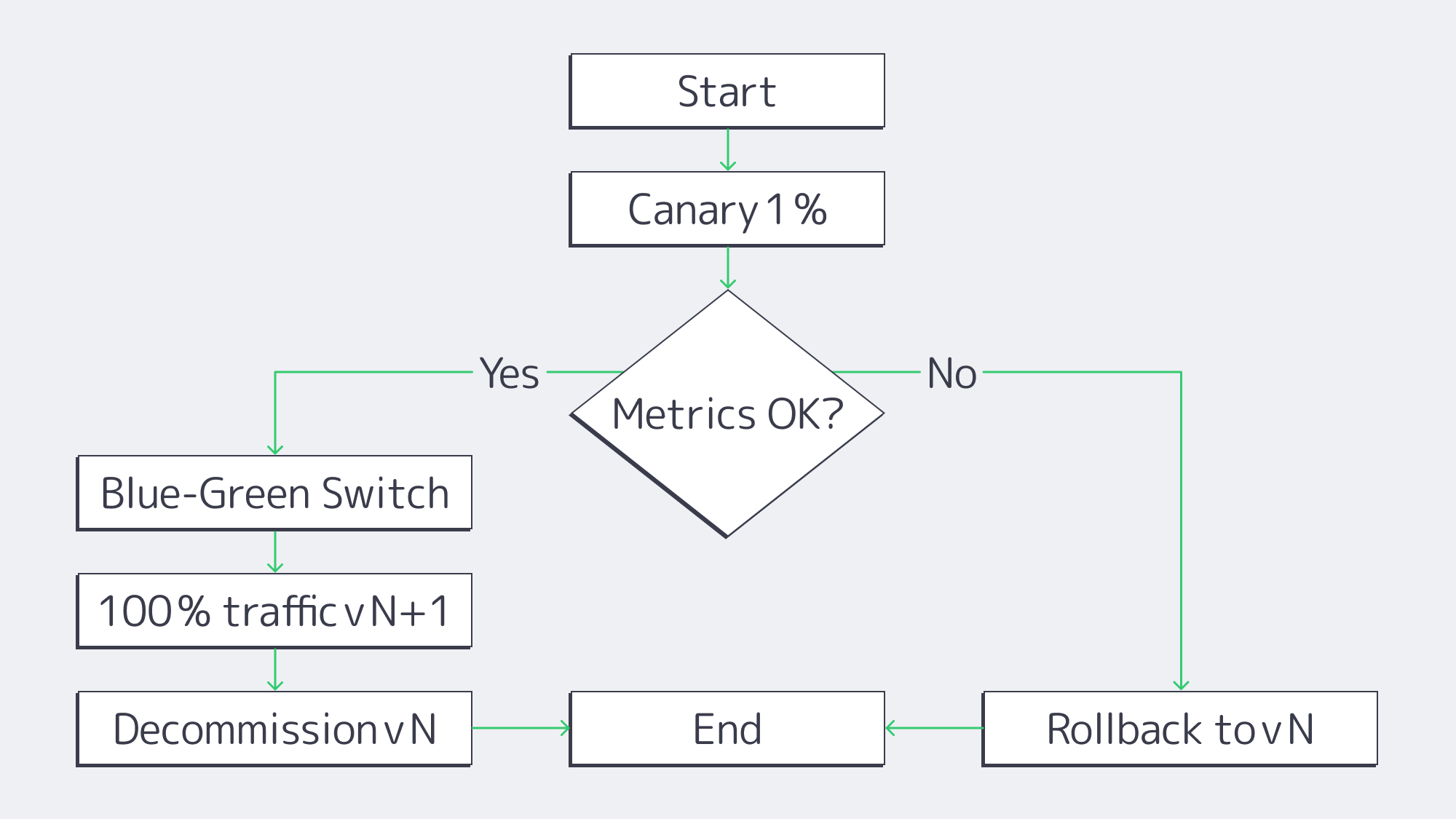
Continuous delivery is table stakes. On a Melbicom cluster the pipeline is simple:
- Canary – Route 1 % of traffic to version N + 1 and watch p95 latency.
- Blue-green – Spin up version N + 1 alongside N; flip the load-balancer VIP on success.
- Instant rollback – A single Kubernetes command reverts in seconds.
Full control of probes, disruption budgets and pod sequencing yields regular releases without maintenance windows.
How Does Physical Isolation Remove Hypervisor Cross-Talk Risks?
Physical isolation removes the shared-cloud risk of another customer’s VM using the same host, but it does not replace SaaS tenant controls. Multi-tenant SaaS still needs separate schemas, row-level security, scoped identities and resource quotas; dedicated hardware adds an outer isolation layer for infrastructure risk.
Logical controls (separate schemas, row-level security, JWT scopes) are stronger when paired with physical exclusivity:
- No co-located strangers. Provider-neighbor hypervisor-escape scenarios common to shared clouds are outside the threat model because no other customer’s VM shares that dedicated physical host.
- Hardware-root options. Where the selected hardware supports TPM 2.0, secure boot or self-encrypting drives, teams can bind boot and encryption controls to the physical node and verify firmware state during provisioning.
- Physical and network security. Tier III/IV data centers define the facility baseline, while VLANs, firewall policy and private networking keep tenant networks segmented.
Predictable Performance vs. PaaS Pricing
Container-PaaS billing is advertised as pay-as-you-go—vCPU-seconds, GiB-seconds and per-request fees—but the meter keeps ticking when traffic is steady. 37signals reports ≈ US $ 1 million in annual run-rate savings—and a projected US $ 10 million over five years—after repatriating Basecamp and HEY from AWS to owned racks.[5] Meanwhile, a 2024 Gartner pulse survey found that 69 % of IT leaders overshot their cloud budgets.[6]
Flat-rate dedicated clusters flip the model: you pay a predictable monthly fee per server and run it hot for steady workloads.
| Production-Month Cost at 100 Million Requests | Container PaaS | Melbicom Cluster |
| Cloud Run service requests + compute | US $ 137 (10 × GCP Cloud Run Example 1: $13.69 for 10 M req) (cloud.google.com) | US $ 1 320 (3 × € 407 ≈ US $ 440 “2× E5-2660 v4, 128 GB, 1 Gbps” servers) |
| Storage (5 TB NVMe) | US $ 400 (5 000 GB × $0.08/GB-mo gp3) (aws.amazon.com) | Included |
| Egress (50 TB) | US $ 4 300 10 TB × $0.09 + 40 TB × $0.085 (aws.amazon.com) | Included |
| Total | US $ 4 837 | US $ 1 320 |
Table. Public list prices for Google Cloud Run request-based billing, AWS gp3 storage and AWS internet egress vs. three 24-core / 128 GB servers on a 1 Gbps unmetered plan.
Performance should be modeled by workload rather than assumed: modern VM-based Kubernetes can approach bare-metal results in many tests, while bare-metal nodes still offer stronger control over noisy-neighbor risk, data placement and fixed monthly capacity for production SaaS workloads.[7]
How Can SaaS Reduce Delivery Latency?
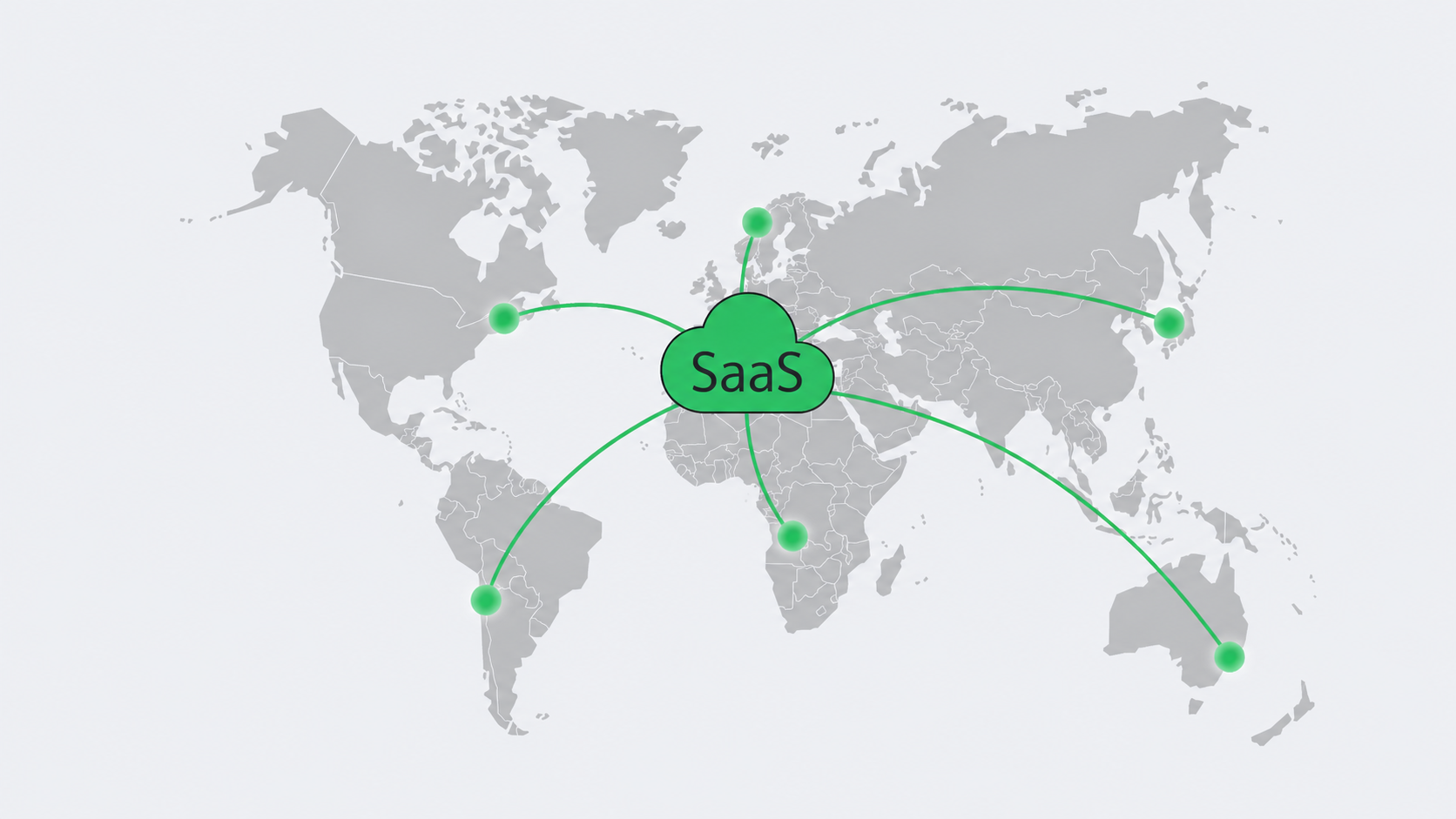
Physics still matters—roughly 10 ms RTT per 1 000 km—so locality is essential. Melbicom’s backbone links 21 data centers and feeds a 39-PoP CDN in 35 countries that caches static assets at the edge. Dynamic SaaS traffic should land on the nearest active application cluster through DNS, routing policy or application-level traffic steering rather than depending on a single origin. The same topology shortens database replication and accelerates TLS handshakes—critical for real-time dashboards and collaborative editing.
How Do Dedicated Clusters Lower Long-Term SaaS Hosting Costs?
Early-stage teams need elasticity; grown-up teams need margin. Flat-rate dedicated hosting flattens the spend curve: once hardware amortises—servers often run 5–7 years—every new tenant improves unit economics. Capacity planning is painless: Melbicom stocks 1,400+ ready-to-go configurations and can deploy extra nodes in hours. Seasonal burst? Lease for a quarter. Permanent growth? Commit for a year and capture volume discounts. GPU cards or AI accelerators slot directly into existing chassis instead of requiring a new cloud SKU for each expansion cycle.
Open-source orchestration keeps you free of platform lock-in: if strategy shifts, migrate hardware or multi-home with other providers without rewriting core code.
Dedicated Server Clusters—a Future-Proof Backbone for SaaS
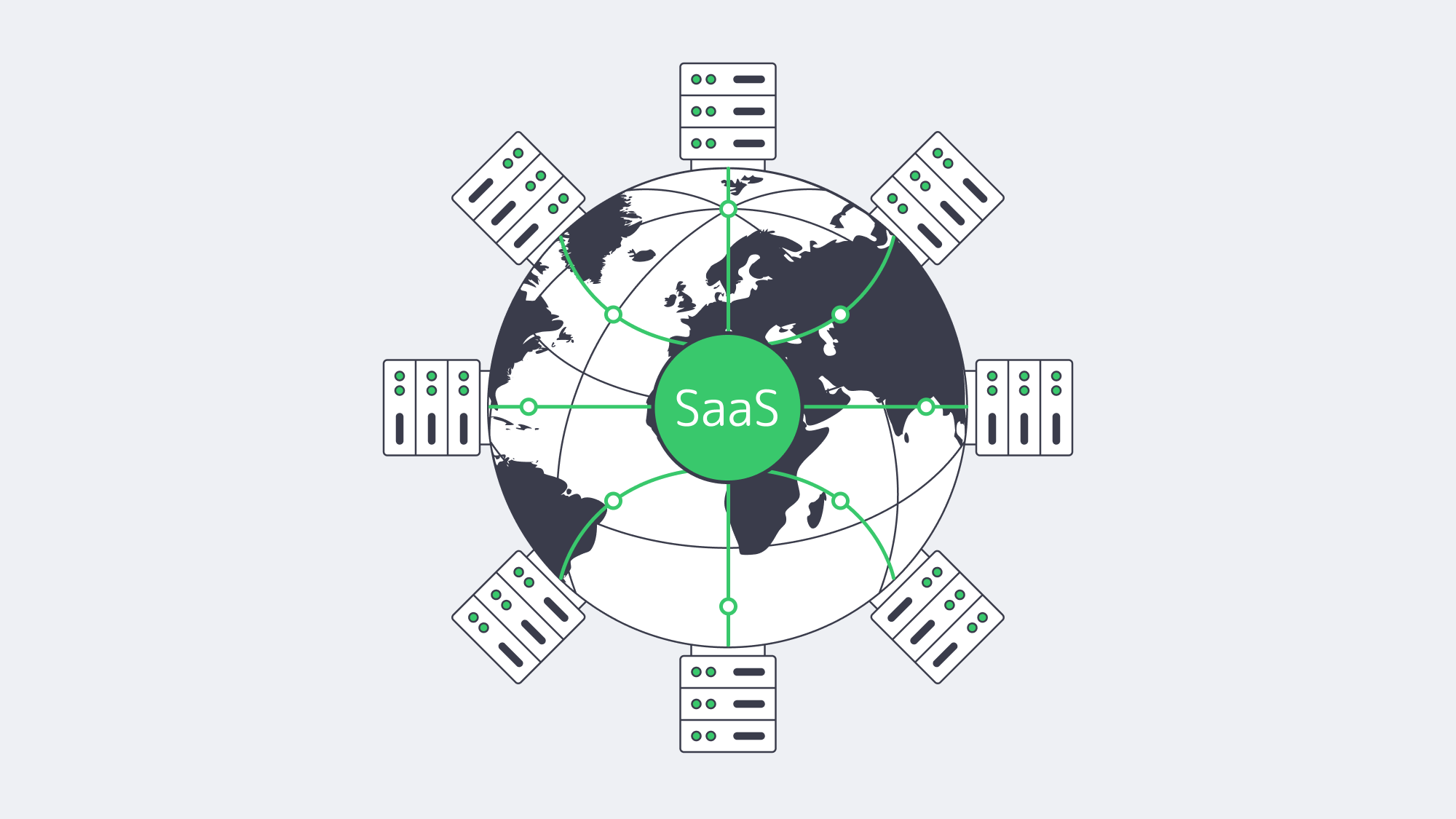
SaaS providers must juggle customer isolation, regulatory scrutiny, aggressive performance targets and rising cloud costs. A cluster of dedicated bare-metal nodes reconciles those demands: hypervisor-free control keeps every tenant fast when scheduling is designed well, strict per-tenant policies and regional placement satisfy regulators, and full-stack control enables rolling releases without downtime. Crucially, the spend curve flattens as utilisation climbs, turning infrastructure from a volatile liability into a strategic asset.
Hardware options are broader, APIs are friendlier, and global bare-metal capacity can be provisioned quickly—making this a practical moment to shift stable SaaS workloads from opaque PaaS meters to predictable dedicated clusters.
Order Your Dedicated Cluster
Launch high-performance SaaS on Melbicom’s flat-rate servers today.