
Blog
Dedicated Servers Powering Real-Time Web3 Gaming Worlds
The vision for Web3 games is shifting from simple collectibles to persistent, living worlds where thousands of people can play together in real time. Nonetheless, it has already become quite visible in terms of demand by the activity of the blockchain. Today, blockchain games account for about 28% of Web3 dApp users, with roughly 2.8 million daily unique active wallets (dUAW) and the leading gaming chains now seeing millions of daily users. Ronin averaged ~1.9M dUAW in Q2, with Polygon at ~1.5M and NEAR at ~1.0M.
Although these are Web3‑specific metrics, they indicate the same concurrency ceiling that mainstream gaming has demonstrated. The Otherside tech demo at Yuga labs had filled the simulated space (not a screen of shards) with 7,200 people using a special custom-built multiple servers architecture as a 3D environment. Culturally, Fortnite’s Travis Scott event drew 12.3 million concurrent participants, showing that real‑time virtual spectacle scales with infrastructure.
So, what does that imply for infrastructure? Future Web3 worlds must prioritize latency, concurrency, and data distribution, and on‑chain features must not slow the gameplay loop. This is where dedicated servers—single‑tenant machines deployed in the right regions—do the heavy lifting.
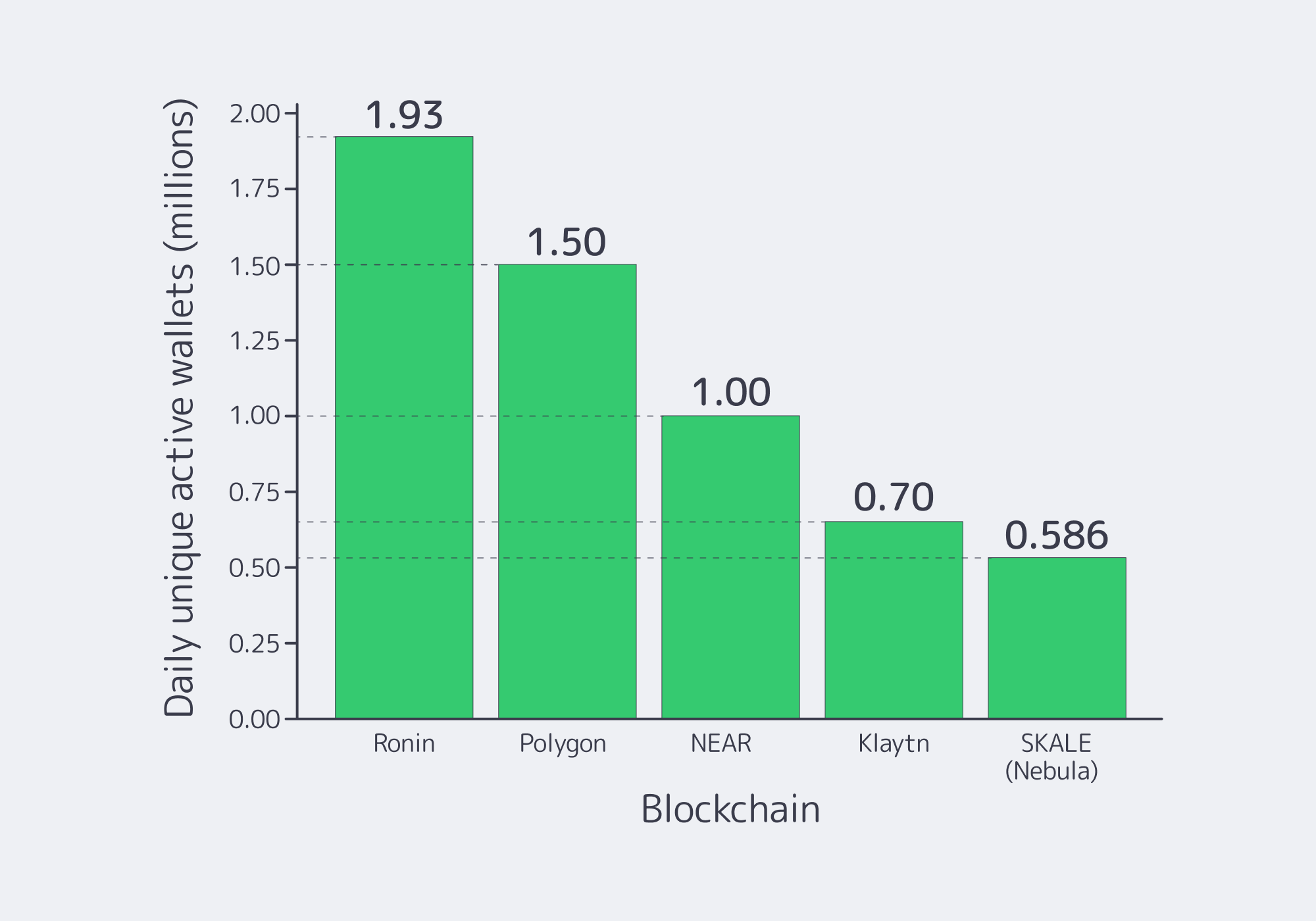
Best gaming blockchains by unique daily active wallets (Q2 2024). Source: DappRadar.
What Infrastructure Challenges Do Web3 Games Need to Solve?
Concurrency at event scale. Live metaverse events—concerts, tournaments, open‑world festivals—can drive spikes from thousands to tens of thousands of participants in a single space. The simulation and networking need to scale across many cores and machines without degrading the authoritative consistency of the world. The prototype signal is the Otherside demo: the team demonstrated 7,200+ users in one world.
Ultra‑low latency. Life and death are every millisecond in immersive play (VR, specifically). In immersive play (especially VR), milliseconds matter. Players begin to notice latency around 50 ms, and performance degrades through the 50–100 ms range; for XR, ~20 ms motion‑to‑photon is a comfort target, with sub‑15 ms enabling step‑changes in streamed VR quality. Achieving these budgets globally requires placing servers close to players and minimizing network hops.
Global reach and edge distribution. A single event of a metaverse can attract bidders or players across Los Angeles, London, Lagos and Singapore, simultaneously. Local ingress, intelligent routing (anycast/DNS) and edge caching are required such that each of them denotes a local origin, regions are synchronized.
Throughput & content gravity. These worlds move heavy data—3D assets, voice, and real‑time state updates—so origin bandwidth must absorb bursts (5–10× normal load) while the CDN keeps assets near users.
Frictionless on‑chain integration. Users expect NFT mints, trades, and in‑game ownership updates to feel instant, so the backend should decouple gameplay from settlement and rely on reliable full‑node/RPC infrastructure to cut request latency.
Why Choose Dedicated Servers for Web3 Gaming Now?
Because single tenant machines deliver predictable performance when it matters the most, i.e. live performances, region openings and market surges, and because they also give you total control over the ops interface.
Exclusive services, equal tick rates. With the availability of its own CPUs, RAM and NVMe, it does not have a noisy neighbor to steal simulation and blockchain indexing processes. This reduces jitter and causes ticks of the authoritative servers to be stable where there are thousands of connections.
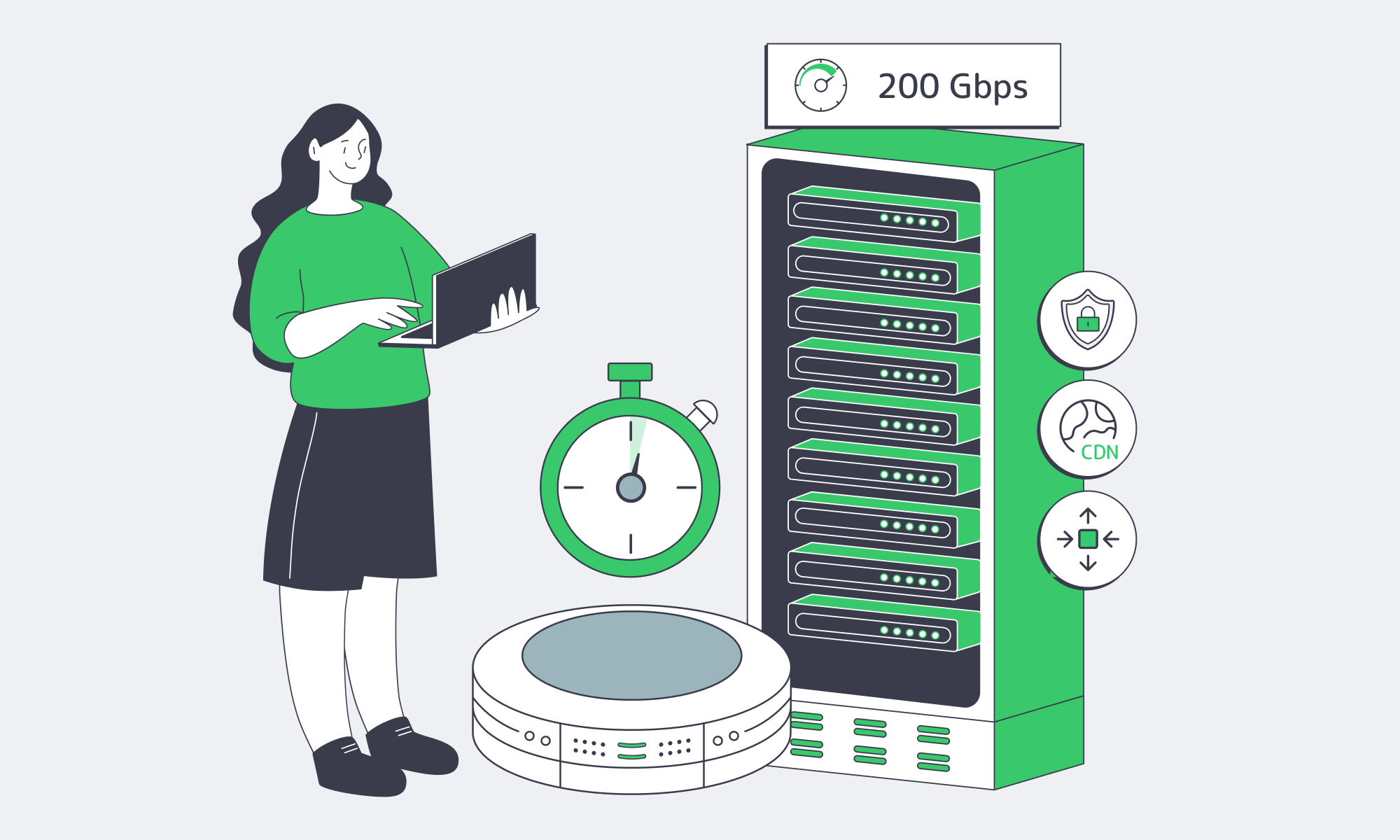
High‑throughput networking and peering. Melbicom offers ports up to 200 Gbps per server and a backbone connected to 20+ transit providers and 25+ IXPs.
Global footprint to cut RTT. Melbicom boasts of 20+ Tier III/IV EU/US/Asia data centers and co-locates a CDN with 55+ PoPs providing you the power to bring simulation to the players and push assets to the edge.
Choose Melbicom— 1,300+ ready-to-go servers — 21 global Tier IV & III data centers — 55+ PoP CDN across 6 continents |
 |
Provisioning scale and speed. Pre‑warm for mints, season resets, or in‑game concerts: Melbicom maintains 1,300+ ready‑to‑go configurations with 2‑hour activation time.
Endpoint stability & network control. Teams can use BGP sessions to implement BYOIP and anycast/failover so RPC, matchmaking, and ingress IPs remain stable during maintenance and scaling.
24/7 support when minutes matter. Replacement of Hardware, rack and stack, and troubleshooting 24/7.
Bottom line: Dedicated servers give Web3 studios low latency, high concurrency, and tight on‑chain integration under full operational control.
Mapping Dedicated Servers to Real‑Time Web3 Requirements
| Requirement | Why it matters now | Dedicated server solutions |
|---|---|---|
| Ultra‑low latency | Games with ultra low latency are possible with about 50ms latency; VR comfort is about 20ms and sub-15ms gives jumps in the quality of streamed VR. | Regional and wide peering placement of multi DCs minimizes paths and fast NVMe and high clock CPUs is the configuration that makes server work stay within milliseconds range. |
| High concurrency | Virtual‑world events can involve thousands (and sometimes tens of thousands) of users in a single space; infrastructure must scale horizontally without tick collapse. | Deploy identical server pools per location; shard/partition state and distribute simulation across multi‑core servers behind load balancers. |
| On‑chain integration | Gameplay NNT state is to be instantaneous on block confirmation. | Gameplay state should feel instantaneous; run your own full nodes on dedicated machines for low‑latency reads/writes, and expose private RPC pools behind stable IPs (BGP/BYOIP) to prevent shared‑endpoint congestion. |
| Throughput & asset delivery | 3D deliveries, voice, telemetry and patches spike the origin links. | Absorb bursts with 1–200 Gbps ports, and serve redundant edge-cached content across 55+ CDN PoP locations. |
| Reliability | Reliability Trust is brought about by reliable economies of players. | Tier III/IV facilities and single‑tenant isolation reduce failure domains; multi‑region redundancy is straightforward globally. |
How Should You Architect Real‑Time Metaverse Worlds?
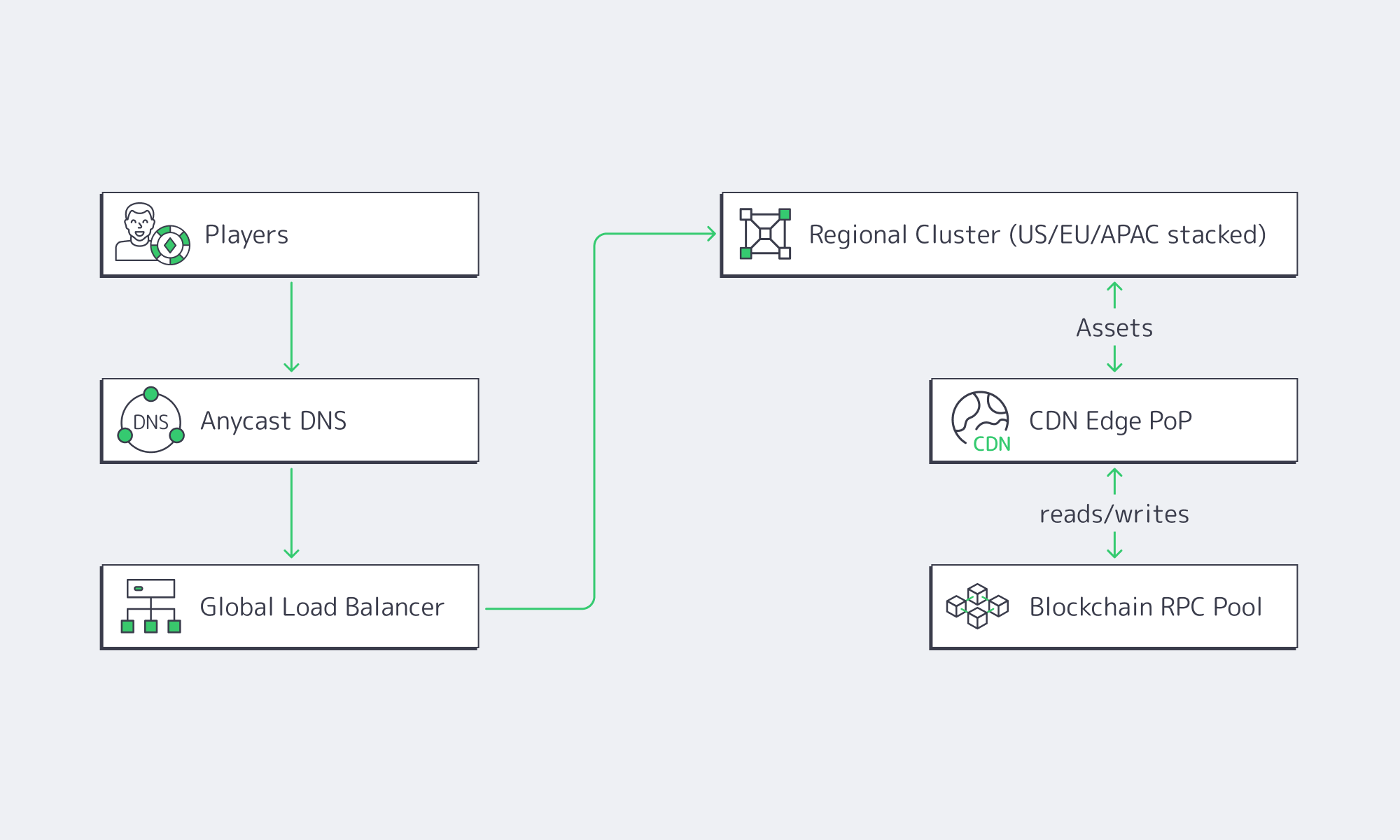
Place regions deliberately and push latency‑sensitive work to the edge. Use global DNS/anycast to route players to the nearest region, then synchronize regions over private inter‑DC links as needed. This Web3 hosting infrastructure of Melbicom is not supposed to fail in what it is 21 DCs and edge heavy CDN.
Decompose the backend. Split the game server, which contains matchmaking, profile/inventory, blockchain I/O, etc to allow each tier to scale up (and down) independently. Stateless API can be duplicated with ease, but stateful elements (simulation, databases) must be distributed among a cluster and without care.
Run your blockchain layer locally. Deploy full/archival nodes (and indexers) on dedicated servers with NVMe and high‑bandwidth ports; front them with load‑balanced private RPC to reduce timeouts and keep latency predictable.
Turn the CDN into a force multiplier. Keep origins lean and let the CDN serve textures, snapshots, metadata, patches, and UGC while origins handle simulation and real‑time APIs.
Instrument like an exchange. Capture server tick timing, queue depths, p95/p99 latencies, and mempool/RPC health in real time. This is where “real‑time metaverse infrastructure” intersects with ops: anomaly detection and predictive scaling (including AI‑assisted) help you add capacity before users feel pain.
Blockchain game hosting: patterns that work now
- To address inventory / ownership queries, local region replicas keep read replicas.
- Settle on‑chain asynchronously; provide an optimistic UX with background confirmation.
- Not only it utilizes multi chain RPC pools, it also pins IPs on BGP on the same client endpoint to minimize churn on whitelisting.
Real‑time metaverse infrastructure: edge and AI
- Edge placement helps meet ~20 ms XR comfort targets by trimming round‑trip time.
- AI assisted operations can inspect the telemetry and find p95s on the upwards trend, triage traffic (utilizing resources more effectively) by region or automatically scale up chat/voice/services before a live event exceeds a soft threshold.
Key Takeaways for Technical Leaders
- Make latency the first metric. Aim for <50 ms for mainstream play and ~20 ms for XR; place servers locally and minimize cross‑ocean paths.
- Plan for event‑level concurrency. Expect thousands in single spaces (and millions platform‑wide) and architect horizontal scale with load‑shedding and back‑pressure.
- Decouple gameplay from settlement. Run your own nodes to keep RPC latency flat and resilient, and queue/reconcile on‑chain actions.
- Exploit bandwidth + CDN. Give origins 10–200 Gbps headroom and let a 55+ PoP CDN handle asset gravity.
- Control the network. Endpoints scaling and maintenance by BGP/BYOIP; a feasible viable tool of accountability and reliability.
- Provision fast. Melbicom provides over 1,300 ready‑to‑go server configurations with 2‑hour activation.
Where Should Teams Build Next?
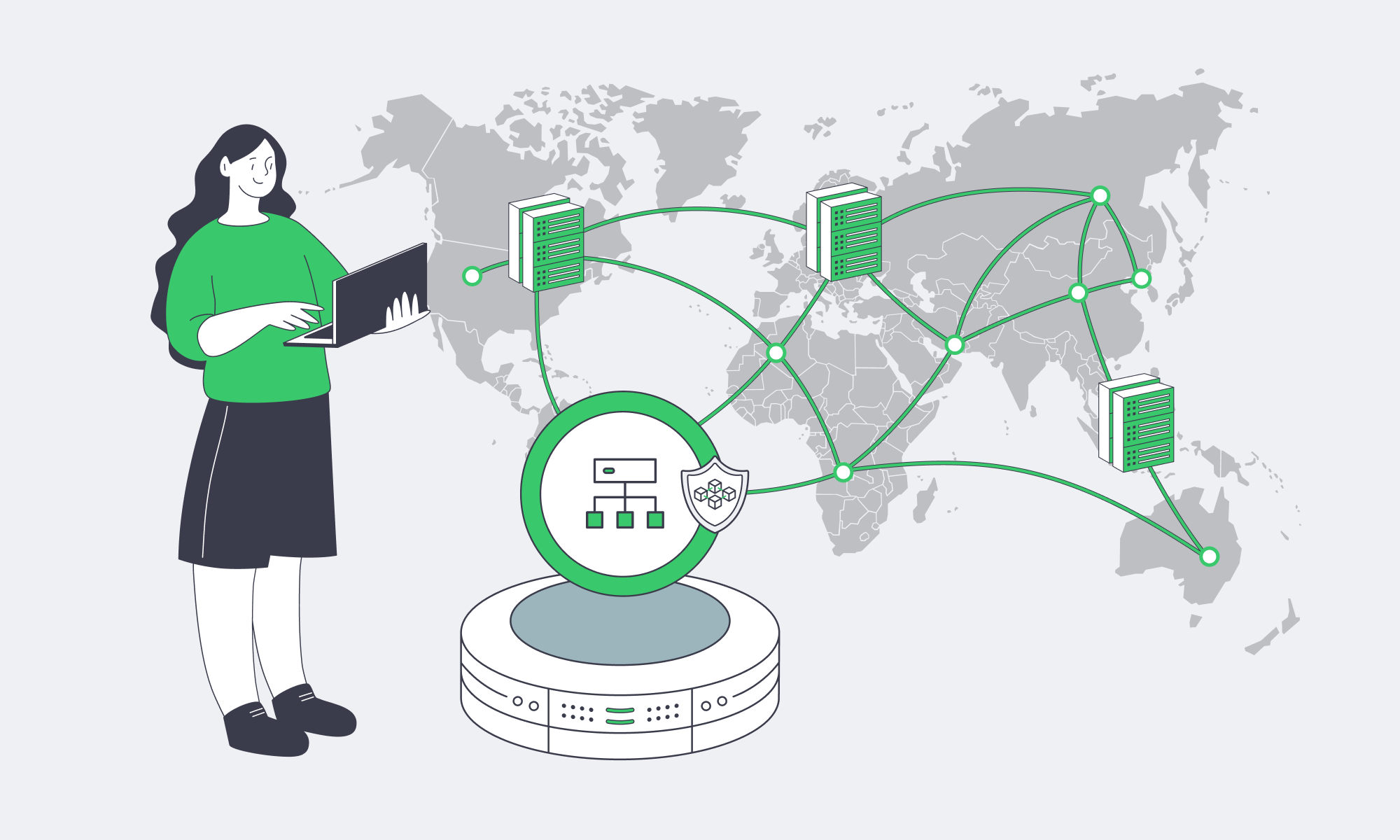
The short term aspect of Web3 games as its name suggests is larger shared space, reduced latency loops and larger on-chain state of being that demand low latency regional compute that is well coupled with high throughput networking and predictable RPC. Dedicated servers are the most direct path to that outcome. They provide network control that shared environments can’t match. DappRadar’s usage curves and the concurrency of flagship events tell the same story: scale is here; now the infrastructure must match it.
Melbicom’s approach is to make that foundation turnkey: place authoritative servers close to your audience; front assets with a global CDN; keep on‑chain calls local and stable; and scale horizontally in hours, not weeks.
Launch low‑latency Web3 infrastructure
Get dedicated servers, global CDN, and stable BGP endpoints with rapid provisioning to power real‑time Web3 games and metaverse events.